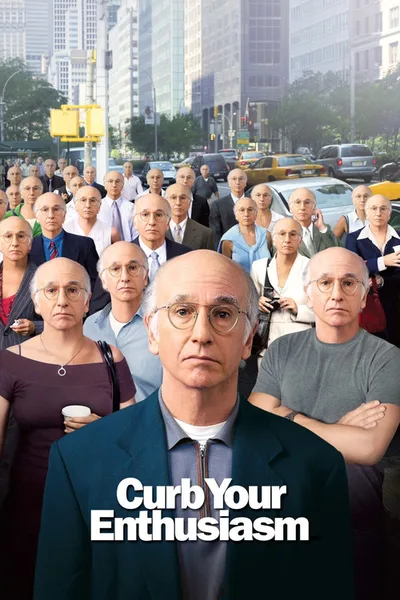
Top 4 Albums

The records I'd carve into stone first.

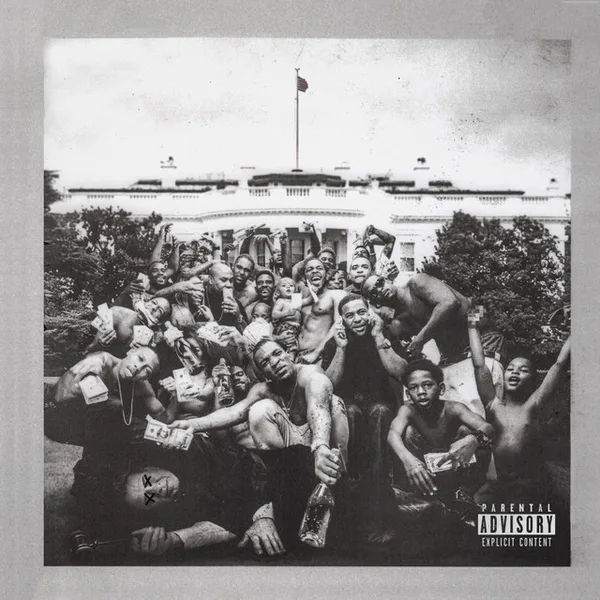
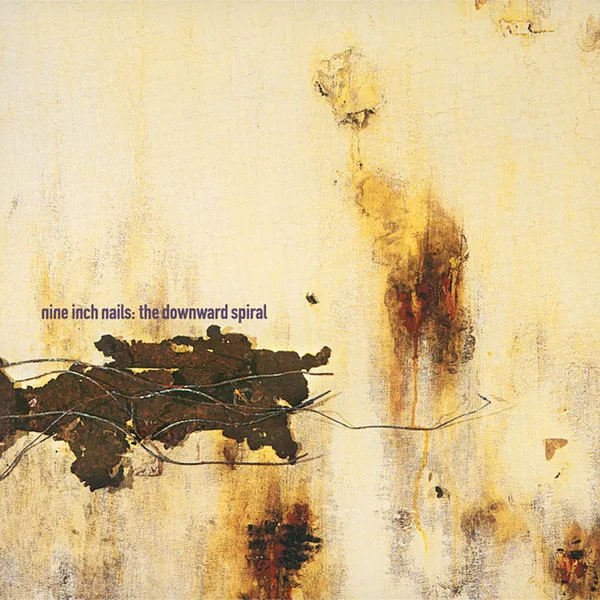
Top 4 Albums, laid out like Mount Rushmore: To Pimp a Butterfly in Washington's spot, In Rainbows in Jefferson's spot, The Downward Spiral in Roosevelt's spot, Dummy in Lincoln's spot.
  1. To Pimp a Butterfly (2015)

    Kendrick Lamar
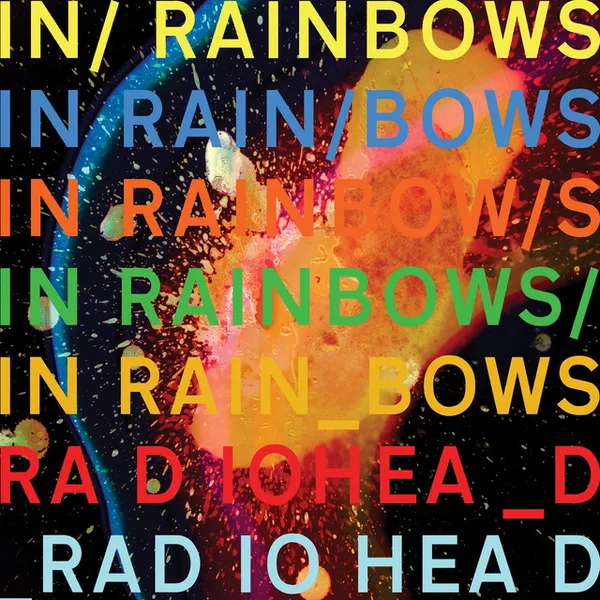
    “Alright” became a rallying cry for the Black Lives Matter movement: protesters against police brutality chanted its “We gon’ be alright” chorus, and some outlets called it a modern Black national anthem.

  2. In Rainbows (2007)

    Radiohead

    Radiohead put it out on their own website with 10 days’ notice and let fans pay whatever they wanted for the download, including nothing, the first time a major act had tried it.

  3. The Downward Spiral (1994)

    Nine Inch Nails
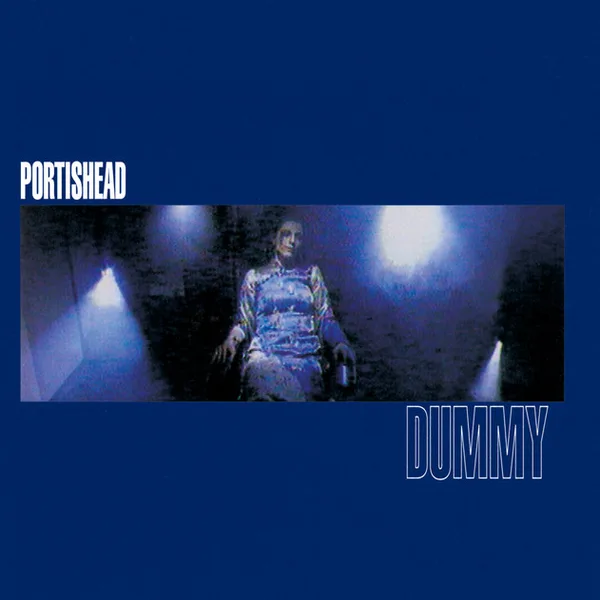
    It was recorded in the house where the Manson Family murdered Sharon Tate in 1969, which Reznor turned into a studio called “Le Pig,” after the word the killers wrote in blood on the front door.

  4. Dummy (1994)

    Portishead

    It won the 1995 Mercury Music Prize, beating a shortlist that included Oasis’s Definitely Maybe, PJ Harvey’s To Bring You My Love and Tricky’s Maxinquaye.

No. 1

To Pimp a Butterfly (2015)

Kendrick Lamar

Kendrick Lamar’s third album is a 79-minute hip-hop record steeped in jazz, funk, soul and spoken word, made with Thundercat, Terrace Martin, Flying Lotus, Kamasi Washington and the West Coast Get Down. It takes on race, institutional discrimination, depression and fame, and its direction came from a trip to South Africa, including a visit to Nelson Mandela’s cell on Robben Island. Critics rank it among the most important albums of the 2010s.

The famous part

“Alright” became a rallying cry for the Black Lives Matter movement: protesters against police brutality chanted its “We gon’ be alright” chorus, and some outlets called it a modern Black national anthem.

Behind the scenes

Making of

Tu Pimp a Caterpillar

The album was first going to be called Tu Pimp a Caterpillar, a backronym that spells Tu.P.A.C., a nod to Tupac Shakur. Lamar swapped “caterpillar” for “butterfly” to show “the brightness of life,” and told Rolling Stone he believed the phrase would one day “be taught in college courses.”

Making of

A conversation with Tupac

The 12-minute closer “Mortal Man” ends with Lamar seemingly interviewing Tupac, built from a 1994 interview Shakur gave Mats Nileskär of the Swedish radio show P3 Soul at Atlantic Records’ New York office. Nileskär says Top Dawg’s boss phoned him late in the process to say Lamar had been living with the tape for months and that it was “the final piece of the puzzle.”

Accident

Out eight days early

The album hit iTunes and Spotify on March 15, 2015, eight days ahead of schedule, apparently because of an error at Interscope. iTunes pulled it the next day and the release was moved to March 23, but it stayed up on Spotify, where 9.6 million first-day streams set the service’s global record.

Trivia

  • The CD and vinyl booklets contain braille that Lamar said spelled the album’s full title; Complex’s translator read it as “A Kendrick by Letter Blank Lamar,” probably meant to be “A Blank Letter by Kendrick Lamar.”
  • Flying Lotus played Lamar a batch of beats meant for his rap alter ego Captain Murphy; Lamar kept them all, but only “Wesley’s Theory” made the album.
  • To clear the Isley Brothers’ “That Lady” sample on “i,” Lamar went to see Ronald Isley in person, and Isley ended up singing on “How Much a Dollar Cost.”
  • Lamar reportedly got into the studio with Prince during the sessions, but they ran out of time and nothing made the record.
  • The cover photo of Lamar’s crew in front of the White House, with a judge sprawled at their feet, was shot by French portrait photographer Denis Rouvre from a concept by Lamar and Dave Free.

Legacy

It scored 96 on Metacritic, topped the Village Voice’s Pazz & Jop poll and led 51 critics’ year-end lists in 2015. At the 2016 Grammys it won Best Rap Album but lost Album of the Year to Taylor Swift’s 1989, a result widely called a snub. Rolling Stone ranked it No. 19 on its 2020 list of the 500 Greatest Albums of All Time, and in 2017 it was one of the first four albums archived in Harvard’s Classic Crates collection. Tony Visconti has said it shaped David Bowie’s Blackstar.

No. 2

In Rainbows (2007)

Radiohead

Radiohead’s seventh album and their first after leaving EMI: ten songs in about 42 minutes, warmer, more personal and less political than the band’s earlier records. Thom Yorke called it a deliberate return to the “45-minute statement” and the band’s “classic album.” It is also the record that rewrote how a major band could release music.

The famous part

Radiohead put it out on their own website with 10 days’ notice and let fans pay whatever they wanted for the download, including nothing, the first time a major act had tried it.

Behind the scenes

Release

Pay what you want

On October 1, 2007, Jonny Greenwood posted on the band’s blog that the album was finished and coming out in 10 days, with a pre-order link that let fans name any price, including £0. The idea came from managers Bryce Edge and Chris Hufford. A market study estimated most downloaders paid nothing (the band disputed it), yet Yorke said it made more from digital sales than all their earlier albums’ downloads combined.

Making of

The Scooby Doo mansion

Early sessions, including a stint with producer Spike Stent, went nowhere, and the band’s management even suggested they split up. After touring the new songs in 2006, Radiohead scrapped the work, brought back Nigel Godrich and moved into Tottenham House, a crumbling Georgian pile in Wiltshire that Godrich likened to a Scooby Doo mansion, where the band lived in caravans. A take of “Bodysnatchers” cut in its library appears on the album virtually untouched.

Legend

The song that took a decade

“Nude” dated back to the band’s earliest work with Godrich in the OK Computer era and became one of Radiohead’s best-known unreleased songs after years of failed attempts. Colin Greenwood finally cracked it with a new, slower bassline. Released as a single, it became the band’s first US top-40 hit since “Creep.”

Trivia

  • The band played several guitars borrowed from Johnny Marr, including a 1957 Gibson Les Paul Gold Top.
  • The cheering on “15 Step” comes from a group of children recorded at the Matrix Arts Centre in Oxfordshire.
  • To recreate the white noise of a band playing loud in a room, Jonny Greenwood had a string section play every note of the scale at once on “All I Need.”
  • The video for “House of Cards” was made with lidar scanning instead of cameras.
  • NASA astronaut Mike Massimino played a copy of the album in orbit in 2009.

Legacy

The retail release still topped both the UK chart and the Billboard 200, sold more than three million copies worldwide within a year and was the best-selling vinyl album of 2008. It won Grammys for Best Alternative Music Album and Best Boxed or Special Limited Edition Package and was nominated for Album of the Year. The Guardian named it the 11th-greatest album of the 21st century in 2019, and Rolling Stone counts it on its 500 Greatest Albums of All Time. Gigwise and DIY have credited it as the first “surprise album,” ahead of Beyoncé and U2.

No. 3

The Downward Spiral (1994)

Nine Inch Nails

Trent Reznor’s second Nine Inch Nails album is a concept record that follows a misanthropic man’s descent into madness and self-destruction. Moving away from the blunt aggression of Broken, Reznor built a textured, cinematic sound out of processed guitars, samples and Pro Tools collages, drawing on David Bowie’s Low and Pink Floyd’s The Wall. It made industrial rock a mainstream force in the 1990s.

The famous part

It was recorded in the house where the Manson Family murdered Sharon Tate in 1969, which Reznor turned into a studio called “Le Pig,” after the word the killers wrote in blood on the front door.

Behind the scenes

Making of

Le Pig

Reznor moved into 10050 Cielo Drive in 1992, set up a home studio with a big mixing console and two Studer tape machines, and stayed about 18 months. He moved out in December 1993 and the house was torn down in 1994, but he took the front door with him and installed it at his Nothing Studios in New Orleans. That door sold at Julien’s Auctions in 2023 for $127,000.

Controversy

“What if it was my sister?”

In December 1993 Reznor ran into one of Sharon Tate’s sisters, who asked whether he was exploiting her sister’s death by living in the house. He told Rolling Stone the encounter hit him for the first time: “What if it was my sister?” He said he went home and cried that night.

Legend

Johnny Cash takes “Hurt”

“Hurt,” the last song written for the album, was covered by Johnny Cash on American IV in 2002. Reznor said the idea first sounded “a bit gimmicky” and the recording felt strange to him, until he saw Mark Romanek’s video and realized “that song isn’t mine any more.”

Trivia

  • The kick drum on “Closer” is a heavily treated sample from Iggy Pop’s “Nightclubbing.”
  • Jimmy Iovine loaned Reznor a Mellotron that had belonged to John Lennon for the sessions.
  • The frantic drumming at the end of “Piggy” is Reznor’s only drum performance on the album, recorded while he was testing the microphone setup.
  • Russell Mills’s cover painting, “Wound,” is made from plaster, rusted metal, insects, moths, wax, surgical bandaging and his own blood.
  • The band long said its mud-caked Woodstock ’94 set was an accident, until 2024 home video surfaced of Reznor asking the stage manager for “5 minutes for mud.”

Legacy

It debuted at No. 2 on the Billboard 200 with nearly 119,000 copies, went quadruple platinum in the US by 1998 and has sold more than four million worldwide. Rolling Stone ranked it No. 200 on its 500 Greatest Albums list in 2003 and moved it up to No. 122 in 2020, and Spin put it 10th among the 125 best albums of the previous 25 years. Mark Romanek’s “Closer” video is in the permanent collection of the Museum of Modern Art, and a wave of bands including Filter and Stabbing Westward followed its sound.

No. 4

Dummy (1994)

Portishead

Portishead’s debut pairs Geoff Barrow’s hip-hop beats and scratching, Adrian Utley’s guitars and imagined 1960s spy-film soundtracks with Beth Gibbons’s forlorn, torch-singer vocals. Made slowly in Bristol studios, it turned the city’s downbeat “Bristol sound” into a hit. It is often credited with popularising trip hop.

The famous part

It won the 1995 Mercury Music Prize, beating a shortlist that included Oasis’s Definitely Maybe, PJ Harvey’s To Bring You My Love and Tricky’s Maxinquaye.

Behind the scenes

Making of

Born in Massive Attack’s downtime

Barrow was a tape operator at Bristol’s Coach House Studios, and while assisting on Massive Attack’s Blue Lines in 1991 he was given spare studio time to work on his own ideas. Around then he met Beth Gibbons on a coffee break at a government Enterprise Allowance course. Session guitarist Adrian Utley heard their song “It Could Be Sweet” drifting through an open door at Coach House and soon gave up session work to join them.

Making of

Sampling themselves

Rather than lean only on other people’s records, the band recorded their own music, pressed it to vinyl and then sampled it back off record decks. To make the new records sound old, Barrow said they put them on the studio floor and walked on them, “using them like skateboards,” and ran sounds through a broken amplifier.

Release

The spy film that got them signed

Before the album, Portishead made To Kill a Dead Man, an 11-minute spy short directed by Alexander Hemming, and the soundtrack they wrote for it earned them their record contract. A still of Gibbons from the film became the Dummy cover, and its footage was reused in the video for “Sour Times.”

Trivia

  • The “theremin” on “Mysterons” was actually a Roland SH-101 synth, because the band couldn’t get hold of a real theremin at the time.
  • Barrow named the band after Portishead, the small coastal town near Bristol where he grew up.
  • Barrow and Gibbons sketched their first ideas in Neneh Cherry’s kitchen in London while Barrow was working on her album Homebrew.
  • “It’s a Fire” was left off the vinyl LP and the original UK and European editions of the album.
  • Robert Christgau, unmoved, summed up the album as “Sade for androids.”

Legacy

Critics hailed it on release, and The Wire and Melody Maker both named it their album of 1994. After the Mercury win, a startled Barrow told the press he had “just expected a free piss up.” It had sold about 3.6 million copies worldwide by 2008 and 920,000 in the UK by 2020, Rolling Stone placed it No. 131 on its 2020 list of the 500 Greatest Albums of All Time, and Pitchfork ranked it No. 11 among the best albums of the 1990s in 2022.

Top 4 Movies

The four I could rewatch on a loop forever.

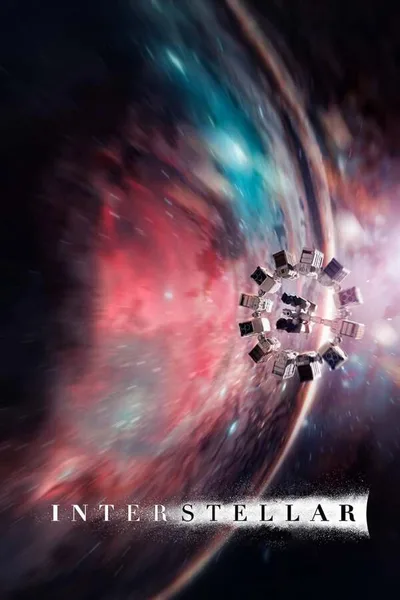
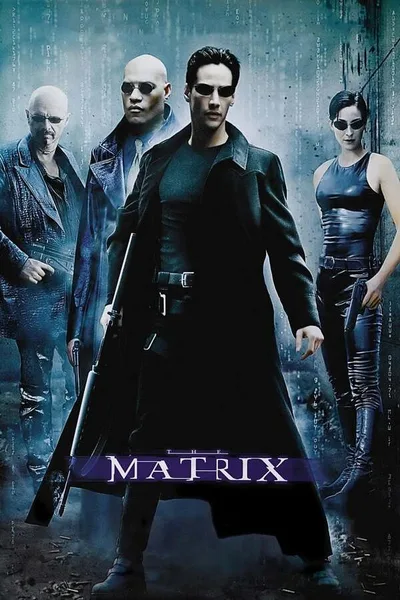
Top 4 Movies, laid out like Mount Rushmore: Interstellar in Washington's spot, The Matrix in Jefferson's spot, Contact in Roosevelt's spot, Real Genius in Lincoln's spot.
  1. Interstellar (2014)

    Christopher Nolan

    Its black hole, Gargantua, was rendered straight from Kip Thorne’s equations — so faithfully that the visual effects work turned into peer-reviewed physics papers on how a spinning black hole bends light.

  2. The Matrix (1999)

    Lana Wachowski and Lilly Wachowski
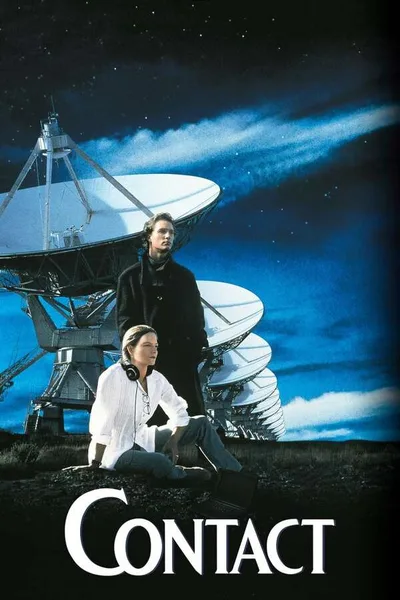
    It introduced “bullet time” — the frozen-moment effect where the camera seems to orbit action that has nearly stopped — and Hollywood, video games, and parodies copied it for years.

  3. Contact (1997)

    Robert Zemeckis

    It’s Carl Sagan’s story: he and Ann Druyan began it as a movie in 1979, he died in December 1996 while it was in production, and the film closes on the dedication “For Carl.”

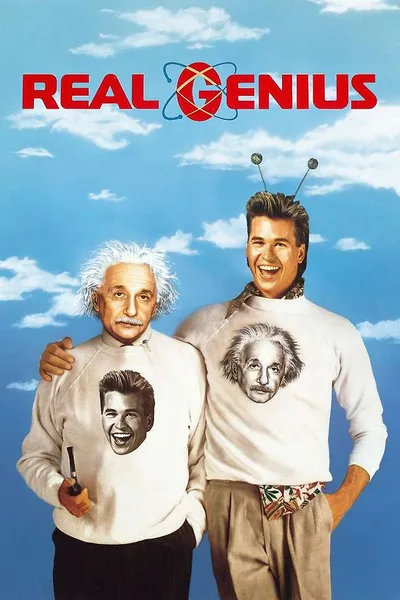
  4. Real Genius (1985)

    Martha Coolidge

    The finale: the students fill their crooked professor’s house with popcorn and heat it with their own laser until popcorn bursts from the doors and windows.

No. 1

Interstellar (2014)

Directed by Christopher Nolan

Christopher Nolan’s space epic follows a band of explorers, led by Matthew McConaughey’s Cooper, who use a newly discovered wormhole to cross the vast distances of an interstellar voyage. Grown from a premise by producer Lynda Obst and physicist Kip Thorne, it put real, worked-out physics — a wormhole and a spinning black hole — at the center of a blockbuster.

The famous part

Its black hole, Gargantua, was rendered straight from Kip Thorne’s equations — so faithfully that the visual effects work turned into peer-reviewed physics papers on how a spinning black hole bends light.

Behind the scenes

Making of

Spielberg’s project, Nolan’s film

Lynda Obst and Kip Thorne developed the premise in 2006, and Steven Spielberg was originally attached to direct it at Paramount. After Spielberg stepped away, Christopher Nolan was confirmed as director in March 2013 and shared the screenplay credit with Jonathan Nolan. Spielberg later said the film “was a much better movie in Chris Nolan’s hands.”

Making of

Five hundred acres of corn

Production designer Nathan Crowley planted about 500 acres of corn for the dust-storm scenes, part of a shoot that leaned on practical sets and large-scale miniatures instead of green screen. For the space sequences, digital projectors threw the effects up behind the actors, so about 150 shots were captured in camera.

Legend

The movie that wrote a physics paper

To build Gargantua, DNEG wrote a new renderer, DNGR, that traced bundles of light through the curved spacetime of a spinning black hole; some frames took up to 100 hours to render. The work was published in 2015 in Classical and Quantum Gravity as “Gravitational Lensing by Spinning Black Holes in Astrophysics, and in the Movie Interstellar,” co-written by Thorne and the effects team.

Trivia

  • The production used the working title “Flora’s Letter” to keep the project under wraps.
  • Bill Irwin both voiced and puppeteered the robot TARS, and puppeteered its partner CASE.
  • Iceland’s Svínafellsjökull glacier stood in for Dr. Mann’s frozen planet.
  • The team deliberately left the Doppler effect out of Gargantua’s final look, worried audiences wouldn’t understand the lopsided lighting it creates.
  • Hans Zimmer built the score around the 1926 Harrison & Harrison organ at London’s Temple Church.

Legacy

Reviews were warm rather than rapturous at first (73% on Rotten Tomatoes, a B+ CinemaScore), but it grossed about $681 million on its first run, won the Oscar for Best Visual Effects from five nominations, and took the BAFTA for Best Special Visual Effects. Three years later its science adviser, Kip Thorne, shared the 2017 Nobel Prize in Physics for his work on LIGO and gravitational waves. Its standing has only grown since: a 10th-anniversary re-release in December 2024 opened to $14 million worldwide, and the New York Times ranked it No. 89 on its 2025 list of the 100 best movies of the 21st century.

No. 2

The Matrix (1999)

Directed by Lana Wachowski and Lilly Wachowski

A computer hacker named Neo (Keanu Reeves) is pulled into an underground resistance fighting the vast, powerful machines that now rule the earth. Mixing anime, Hong Kong wire-fu, cyberpunk, and a reading list that started with Baudrillard, the Wachowskis made an action movie that changed how action movies look.

The famous part

It introduced “bullet time” — the frozen-moment effect where the camera seems to orbit action that has nearly stopped — and Hollywood, video games, and parodies copied it for years.

Behind the scenes

Casting

Everyone who almost played Neo

Will Smith turned down Neo to make Wild Wild West, later saying he was “not mature enough as an actor” at the time. Brad Pitt, Val Kilmer, and Nicolas Cage also passed, and Leonardo DiCaprio accepted before backing out. The Wachowskis’ first choice was Johnny Depp; the studio pushed for Keanu Reeves.

Making of

Kung fu boot camp

Hong Kong choreographer Yuen Woo-ping put the cast through wire-fu training that began in October 1997, on a four-month schedule. Reeves had just had spinal fusion surgery on his neck and couldn’t kick for two of those months, and Carrie-Anne Moss hurt her leg rehearsing Trinity’s wall run in the lobby scene.

Legend

The code is sushi recipes

Designer Simon Whiteley, whose wife is from Japan, told CNET in 2017 that he likes to tell everybody the Matrix’s green code is “made out of Japanese sushi recipes.” The falling characters actually mix mirrored half-width kana with Latin letters and numerals, and the sushi story has been disputed.

Trivia

  • Cast and crew were required to read Jean Baudrillard’s Simulacra and Simulation before production.
  • Geof Darrow and Steve Skroce drew a 600-page, shot-by-shot storyboard.
  • Principal photography ran 118 days, mostly at Fox Studios in Sydney, from March to August 1998.
  • Bullet time reached an effective 12,000 frames per second, against film’s usual 24.
  • Stunt double Chad Stahelski, who went on to direct the John Wick films, said the movie “literally changed the industry.”

Legacy

It won all four Oscars it was nominated for, was the fourth-highest-grossing film of 1999 worldwide and the year’s top R-rated film in North America, and spawned two 2003 sequels, The Animatrix, and 2021’s The Matrix Resurrections. AFI ranked it No. 66 on its 100 Years…100 Thrills list in 2001, Empire put it at No. 39 on its 2009 list of the 500 greatest movies, and in 2012 it became the newest film on that year’s National Film Registry class. Bullet time and Yuen Woo-ping’s wire-fu reshaped Hollywood action, the film turned “red pill” into everyday vocabulary, and in 2020 Lilly Wachowski confirmed it was meant as an allegory for gender transition.

No. 3

Contact (1997)

Directed by Robert Zemeckis

Radio astronomer Ellie Arroway (Jodie Foster) picks up the first extraterrestrial signal ever received on Earth, and the world’s powers scramble to decode it and decide what to do. Adapted from Carl Sagan’s 1985 novel — itself born from a film treatment he wrote with Ann Druyan — it’s a rare big-studio science fiction film about the scientific method, belief, and what counts as proof.

The famous part

It’s Carl Sagan’s story: he and Ann Druyan began it as a movie in 1979, he died in December 1996 while it was in production, and the film closes on the dedication “For Carl.”

Behind the scenes

Making of

Eighteen years from idea to screen

Sagan and Druyan started the project with Lynda Obst in 1979 and finished the treatment in November 1980, but it stalled, so Sagan published it as a novel in 1985. At Warner Bros., Roland Joffé was hired to direct in 1989 and left in 1993, and his successor George Miller was fired and sued the studio. Robert Zemeckis took it on after Forrest Gump, once Warner granted him artistic control and final cut.

Controversy

The President’s unwitting cameo

Zemeckis digitally reworked real news footage of Bill Clinton, taken from an August 1996 press conference about the Martian meteorite ALH84001, so the President appears to address the alien signal. On July 14, 1997, White House Counsel Charles Ruff wrote to Warner Bros. calling the use “inappropriate,” though no action followed. CNN’s chairman likewise regretted letting 13 of its on-air staff appear as themselves, since CNN and Warner Bros. shared a parent company.

Making of

The mirror shot

In one celebrated shot, young Ellie (Jena Malone) races up the stairs and the camera seems to follow her down the hall, until it’s revealed to be a reflection in a medicine-cabinet mirror. The seamless move was built from three separate plates stitched together with CGI.

Trivia

  • Ellie’s first name honors Eleanor Roosevelt, and Arroway was chosen partly as a nod to Voltaire’s real surname, Arouet.
  • The three-minute opening pull-back from Earth, inspired by Powers of Ten, was then the longest continuous CGI sequence in a live-action film.
  • Steve Burg’s design for the Machine reused a concept he’d drawn for an unused Terminator 2 scene.
  • Ralph Fiennes was offered the male lead before it went to Matthew McConaughey.
  • Kip Thorne’s research informed the film’s wormhole travel — 17 years before he executive-produced Interstellar, which also starred McConaughey.

Legacy

Reviews were mixed (69% on Rotten Tomatoes), but it opened to about $20.6 million and earned about $171 million worldwide. It won the Hugo Award for Best Dramatic Presentation, Saturn Awards for Jodie Foster and Jena Malone, and an Oscar nomination for Best Sound. Scientists were kinder than critics: astronomers praised the accuracy of its first half, and SETI.org called its picture of the search for extraterrestrial intelligence “indescribably more accurate” than other Hollywood films, while flagging liberties like the Very Large Array’s sensitivity.

No. 4

Real Genius (1985)

Directed by Martha Coolidge

At Pacific Tech, a fictional stand-in for Caltech, teenage prodigy Mitch Taylor is paired with senior genius Chris Knight (Val Kilmer) on an advanced laser project, until they learn it’s meant to become a weapon. Coolidge wanted, as she put it, a film that “focused on nerds as heroes,” and grounded the comedy in months of research into lasers, CIA policy, and interviews with Caltech students.

The famous part

The finale: the students fill their crooked professor’s house with popcorn and heat it with their own laser until popcorn bursts from the doors and windows.

Behind the scenes

Making of

A house full of popcorn

For the finale, the crew popped corn nonstop for weeks (accounts range from six weeks to three months), treated it with fire retardant, and packed it into a house in a subdivision under construction in Canyon Country. The house was rigged with hydraulics so the popcorn could burst out of its doors and windows on cue.

Casting

“I like to work with men”

Val Kilmer, fresh off Top Secret!, teased producer Brian Grazer at his audition, telling him he looked about 12 and that he liked to work with men. The two remember the audition differently. For Mitch, the filmmakers looked at a real prodigy who had graduated college at 14 before casting Gabriel Jarret late in the process.

Release

The first computer press conference

A week before release, TriStar staged what it billed as the world’s first computer press conference at a Westwood computer store, with Coolidge and Grazer answering reporters across the country over CompuServe. Technical problems marred it, but it was an early version of the online press junket.

Trivia

  • Michelle Meyrink’s Jordan inspired Gadget Hackwrench on Chip ’n Dale: Rescue Rangers, according to the show’s co-creator Tad Stones.
  • Dean Devlin, later co-writer of Stargate and Independence Day, plays Milton, the student who cracks under finals pressure.
  • Lazlo Hollyfeld’s contest-entry scheme echoes real ones: Caltech students tried a Frito-Lay sweepstakes play in 1969, and in 1975 three programmers used a computer to generate 1.2 million McDonald’s entries.
  • Consultant Martin A. Gundersen also plays the math professor, and a 1987 scientific paper on a xenon-halogen laser cited the film.
  • MythBusters tested the finale in 2009: its scaled-down popcorn house just charred instead of bursting.

Legacy

It opened in 990 theaters in August 1985 and earned about $13 million in North America, but critics were kind: Roger Ebert gave it three and a half stars, and it holds 77% on Rotten Tomatoes and 71 on Metacritic. The Encyclopedia of Science Fiction calls it “perhaps the best” of that era’s science fiction teen comedies, ahead of Weird Science and My Science Project. Coolidge later got letters from people who said they’d worked in programs like the film’s, and in 2014 NBC began developing a TV series version that never surfaced.

Top 4 Documentaries

True stories (and one elaborate prank) that I never stop recommending.

Top 4 Documentaries, laid out like Mount Rushmore: Windy City Heat in Washington's spot, Mule Skinner Blues in Jefferson's spot, American Movie in Roosevelt's spot, Crumb in Lincoln's spot.
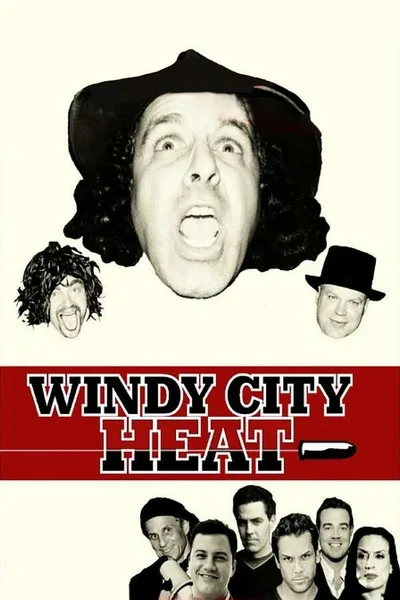
  1. Windy City Heat (2003)

    Bobcat Goldthwait
    The movie Perry thinks he is making does not exist — the cast, crew, casting calls and stunts were all staged to wind him up, and Bobcat Goldthwait plays its bullhorn-wielding director while actually directing the prank.

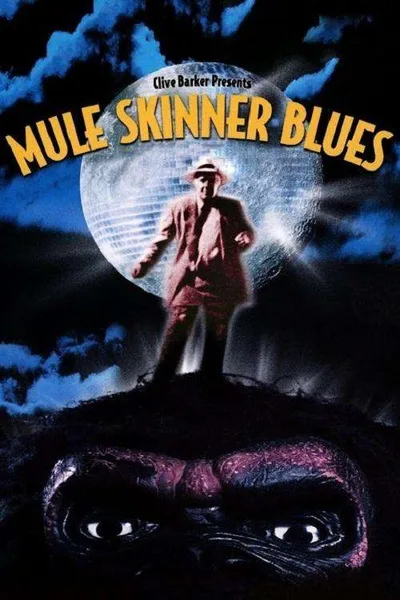
  2. Mule Skinner Blues (2001)

    Stephen Earnhart
    Beanie’s lifelong dream was to rise out of the mud in a gorilla suit and scare somebody — and the film follows his neighbors as they make that scene happen.

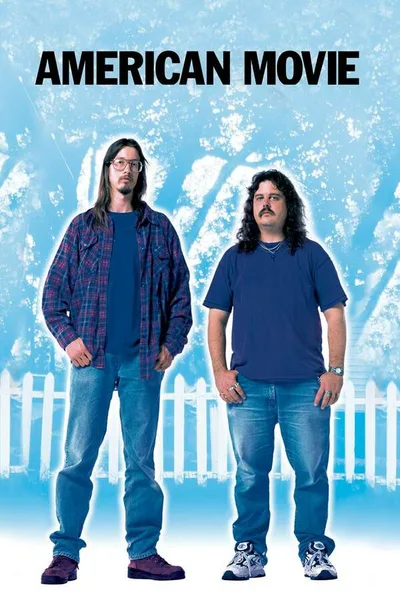
  3. American Movie (1999)

    Chris Smith

    Mark insists his short is pronounced “KOH-ven,” with a long o — and Uncle Bill’s struggle to get through a single line of dialogue, take after take (31 of them), is the scene everyone remembers.

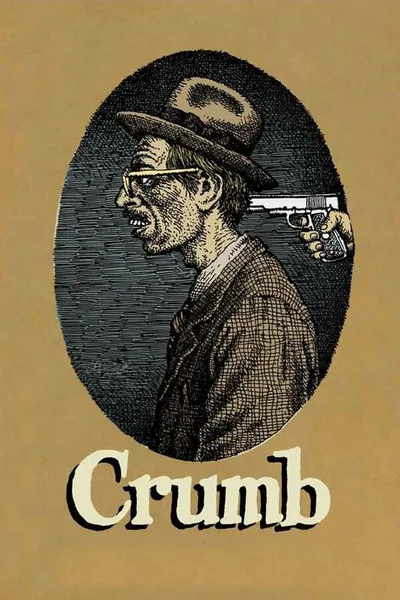
  4. Crumb (1994)

    Terry Zwigoff

    The brothers steal the film: Zwigoff felt that Maxon and especially Charles, Robert’s older brother and first artistic influence, were so central that he called it simply “Crumb.”

No. 1

Windy City Heat (2003)

Directed by Bobcat Goldthwait

Not a documentary in the strict sense: a made-for-TV staged-prank “reality” film in which everyone is in on the joke except its star. Aspiring actor Perry Caravello believes he has landed the lead in a Hollywood crime picture, playing Chicago sports detective Stone Fury, but the whole production exists only to provoke him while hidden cameras roll. Engineered by his friends Don Barris and Tony Barbieri with Jimmy Kimmel and Adam Carolla producing, it is the high-water mark of a years-long running prank on one man.

The famous part

The movie Perry thinks he is making does not exist — the cast, crew, casting calls and stunts were all staged to wind him up, and Bobcat Goldthwait plays its bullhorn-wielding director while actually directing the prank.

Behind the scenes

Making of

The Perry Project

Caravello turned up at a Comedy Store open mic in 1992, where host Don Barris dared him to shave his chest onstage with no soap; he did it and became a regular. Barris, Caravello and Tony Barbieri (always in character as Walter “Mole” Molinski) became “The Big 3,” and most of the comedy came from Barris and Mole provoking Perry. Jimmy Kimmel, whom Barris worked for as a warm-up man, became a fan and was the link to Comedy Central.

Making of

A fake movie built around one man

Caravello was followed by at least fifteen cameras, some hidden, and told from the start that the filming was for the DVD extras. Goldthwait plays the fake film’s director in jodhpurs, speaking only through a bullhorn, and Perry “beats out” Carson Daly for the role of Stone Fury. Barris described the project to Grantland as “the opposite of Andy Kaufman.”

Legend

“Sex is a stunt”

One of the first scenes has Barris and Mole, playing the villains, throw Perry into a dumpster again and again, with the director ordering manure added because it doesn’t look real enough. When Perry demands a body double for future stunts, the next day’s schedule includes a sex scene — and he is told his double will shoot it, because sex counts as a stunt. The double’s claim afterward about what happened on set drives Perry into a rage.

Trivia

  • Caravello was not told at the end that it was all a prank; he was later told the “real” film had been scrapped and its footage repurposed.
  • Dane Cook appears as a casting director introducing himself as “Roman Polanski,” and Adam Carolla shows up in a gladiator suit for a film called Air Caligula.
  • The closing montage is set to Louis Prima’s version of “When You’re Smiling.”
  • In 2007 Caravello sued Johnny Knoxville, Jimmy Kimmel and Adam Carolla over a mousetrap stunt he said he was promised payment for while promoting the film’s DVD; he dropped the suit in 2008.
  • Caravello later voiced a character, Simon S. Salty, in a 2022 episode of Smiling Friends.

Legacy

Comedy Central aired it only a handful of times before effectively burying it, and critics split between admiring its elaborate commitment and calling it cruel and repetitive (Rotten Tomatoes lists 50% from just six reviews). It found its audience instead through home video and online circulation, picking up famous fans that Grantland says included Quentin Tarantino and Mike Judge. Vulture later called it “one of the greatest pranks ever pulled,” and the Big 3 kept the joke going for years with The Big 3 Podcast from 2010 and a failed 2013 crowdfunding push for a sequel.

No. 2

Mule Skinner Blues (2001)

Directed by Stephen Earnhart

Music-video producer Stephen Earnhart’s first feature follows Beanie Andrew, a fiftysomething recovering alcoholic, ex-shrimper and self-styled song-and-dance man in a trailer park outside Jacksonville, Florida, as he and his neighbors set out to make their own shot-on-video horror movie. Variety called it a more humanistic American Movie: a portrait of a makeshift family of out-of-work shrimpers, troubadours and oddballs who all crave a creative outlet, and a case that art can thrive in the least likely places.

The famous part

Beanie’s lifelong dream was to rise out of the mud in a gorilla suit and scare somebody — and the film follows his neighbors as they make that scene happen.

Behind the scenes

Casting

The extra who kept sending tapes

Earnhart, a New York–based former Miramax executive, cast Beanie as an extra in a music video he was producing in Florida. Beanie then deluged him with home videos showing off his own talents and those of the other park residents. Intrigued, Earnhart went back to Florida and, as one local account puts it, handed Beanie a video camera and set him loose.

Making of

Turnabout Is Fair Play

Earnhart returned just as Beanie and company were starting their most ambitious project: a horror movie called Turnabout Is Fair Play, about a man who comes back from the mud as a gorilla hunting for his severed arm. It had no script yet, but it would definitely include Beanie emerging from a muddy lake in full ape regalia; neighbor Annabelle, an art-school-trained costume designer, supplied the costume. To secure a location, Beanie strolls up to a junkyard owner and announces, “We’d like to shoot a major movie here next Sunday.”

Controversy

Tribute or mockery?

Critics split on how the film treats its subjects. Variety found it refreshingly unsentimental and affectionate, and the Los Angeles Times called it “an affectionate documentary about a free-spirited group.” The A.V. Club argued it comes uncomfortably close to mocking its unlikely filmmakers, while the Chicago Tribune said it walks a fine line between celebrating and mocking their dreams.

Trivia

  • Country singer Miss Jeannie yodels her own distinctive interpretation of the title tune.
  • Under the end credits plays the Earnhart-directed music video for Miss Jeannie’s “DUI Blues.”
  • Annabelle Lea Usher keeps the body of her dead dog in a freezer outside her trailer, and it turns up on camera.
  • Turnabout’s co-writer, Larry Parrot, makes his living as a janitor and explains on camera his lifelong love of “the genre.”
  • The Buccaneer mobile home park in Mayport where much of the film was shot was cleared in 2004, its residents forced out to make way for an affordable housing complex.

Legacy

After its 2001 festival run the film reached a handful of theaters in 2002 and earned generally favorable reviews — 82% on Rotten Tomatoes and a Metacritic score of 68 — with Variety calling it “above all a rousing entertainment.” Nearly every review measured it against Chris Smith’s American Movie, some finding it warmer and others thinner. The A.V. Club singled out its second half, which catches up with the residents after a gap of years and plays their struggles, including Beanie’s on-again, off-again fight with alcohol, straight.

No. 3

American Movie (1999)

Directed by Chris Smith

Mark Borchardt of Menomonee Falls, Wisconsin, delivers newspapers, lives with his parents, drinks too much and dreams of making his long-planned feature Northwestern. To raise the money he sets out to finish Coven, a black-and-white horror short, with a crew of friends, family and neighbors, his best friend Mike Schank, and his elderly Uncle Bill as reluctant financier. Shot over two years, it is both very funny and a sincere portrait of stubborn, working-class ambition.

The famous part

Mark insists his short is pronounced “KOH-ven,” with a long o — and Uncle Bill’s struggle to get through a single line of dialogue, take after take (31 of them), is the scene everyone remembers.

Behind the scenes

Making of

Met on the university steps

Smith had come to a Milwaukee university to finish editing his first feature, American Job, living in the editing room for about four months and sleeping on the concrete floor. After Toronto rejected his rough cut, he met Borchardt on the school’s front steps, talking about Northwestern and a plan to raise money in Toronto with his mother. Borchardt later edited Coven in that same room.

Making of

Two people and a lot of undeveloped film

The crew was just Smith and Sarah Price, trading camera and sound, filming from September 1995 to August 1997 with 14- to 16-hour days in the second year. Money was so tight that over 90% of the footage stayed undeveloped until four months after shooting ended; Smith kept 300 unprocessed rolls at home for more than a year. Early funding came after filmmaker Jim McKay took the project to Michael Stipe, whose company C-100 sent a check.

Legend

Uncle Bill’s investment

Coven was bankrolled largely by Mark’s Uncle Bill, an increasingly frail retiree living in a run-down trailer with $280,000 in the bank. He invested hesitantly, on the understanding that Mark would sell 3,000 VHS copies to pay him back. Mark had sold 5,100 copies at $14.95 each by 2004.

Trivia

  • The on-screen title reads “American Movie: The Making of Northwestern,” even though the film is mostly about Coven.
  • Mike Schank, Mark’s best friend and the film’s breakout presence, also composed its score.
  • For a scene in Coven, Mark had Mike break real glass over his head.
  • Coven was finished only minutes before its sold-out premiere at a Milwaukee theater in 1997.
  • Smith took a lottery commercial to pay for the print the film needed for Sundance.

Legacy

It won the documentary Grand Jury Prize at Sundance in 1999, drew four stars from Roger Ebert, and holds 94% on Rotten Tomatoes and 84 on Metacritic. The International Documentary Association named it one of the top 20 documentaries of all time in 2002, and The New York Times included it among its 1,000 greatest movies. The BFI has called it “one of the most influential documentaries ever made,” while acknowledging the long debate over whether audiences laugh with Mark or at him. A long-running cult favorite, it returned on Blu-ray in 2022 and 4K in 2024, and Northwestern remains unfinished.

No. 4

Crumb (1994)

Directed by Terry Zwigoff

Terry Zwigoff’s portrait of Robert Crumb, the underground cartoonist behind “Keep on Truckin’” and Fritz the Cat, filmed as he prepares to leave America for southern France. What starts as an artist profile turns into a study of the whole Crumb family, above all his brothers Charles and Maxon, and of the damage and the art that came out of one household.

The famous part

The brothers steal the film: Zwigoff felt that Maxon and especially Charles, Robert’s older brother and first artistic influence, were so central that he called it simply “Crumb.”

Behind the scenes

Making of

Nine years on $200 a month

The film took nine years to finish, about six of shooting and three of editing. Zwigoff said he was averaging an income of about $200 a month and living with severe back pain, and that he spent three years with a loaded gun by his bed, “trying to get up the nerve to kill myself.”

Legend

The suicide threat that never happened

Crumb didn’t want the film made at first, and Roger Ebert accidentally spread a rumor that Zwigoff won him over by threatening to kill himself. Ebert corrected it in a 2005 review and a 2006 commentary track recorded with Zwigoff, writing that it never happened, “but it may be true that Zwigoff’s life was saved because he did make the film.”

Controversy

The Oscar snub

Despite sweeping the critics’ awards, Crumb was not nominated for Best Documentary Feature; the nominating committee reportedly stopped watching after about twenty minutes. Coming a year after Hoop Dreams was passed over the same way, the uproar pushed the Academy to change how documentary nominations are chosen.

Trivia

  • Zwigoff and Crumb were friends long before the film: both collected 1920s and ’30s 78s, and Zwigoff played in Crumb’s band, the Cheap Suit Serenaders.
  • The film opens as “David Lynch Presents,” but Lynch gave only his name; he answered Zwigoff’s funding request after the film was done and told him he wasn’t going to give any money.
  • It was paid for by small private investors, none putting in more than $1,400; Matt Groening chipped in, and Charles Schulz declined.
  • Both of Robert’s sisters declined to take part, and Zwigoff recalled one of them threatening to sue.
  • The Rykodisc soundtrack pairs two vintage Geechie Wiley recordings with 22 new ones by pianist David Boeddinghaus and guitarist Craig Ventresco, with cover art by Crumb and liner notes by Zwigoff.

Legacy

Crumb won the Grand Jury Prize for documentary at Sundance and the top nonfiction awards from the New York, Los Angeles and national critics’ groups, and Gene Siskel named it the best film of 1995. Roger Ebert gave it four stars, saying it “gives new meaning to the notion of art as therapy.” Entertainment Weekly ranked it 14th among the best films of the previous 25 years in 2008, Slant called it “arguably the greatest of all nonfiction films,” and the Criterion Collection reissued it in 2010. Zwigoff went on to direct the fiction features Ghost World and Art School Confidential.

Top 4 Movie Soundtracks

Mixtapes with a movie attached.

Top 4 Movie Soundtracks, laid out like Mount Rushmore: The Crow: Original Motion Picture Soundtrack in Washington's spot, Hackers: Original Motion Picture Soundtrack in Jefferson's spot, Lost Highway in Roosevelt's spot, Garden State: Music from the Motion Picture in Lincoln's spot.
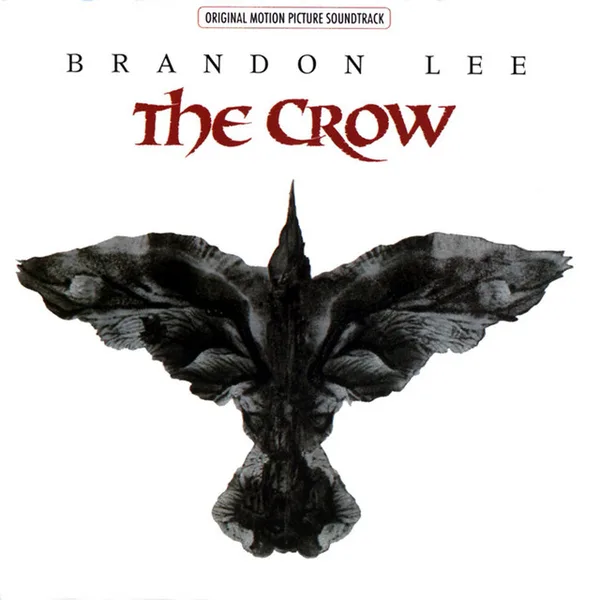
  1. The Crow (1994)

    Various Artists

    It went to No. 1 on the Billboard 200 and sold millions, carried by The Cure’s “Burn,” which plays as the reborn Eric Draven paints his face, and by Nine Inch Nails’ cover of Joy Division’s “Dead Souls.”

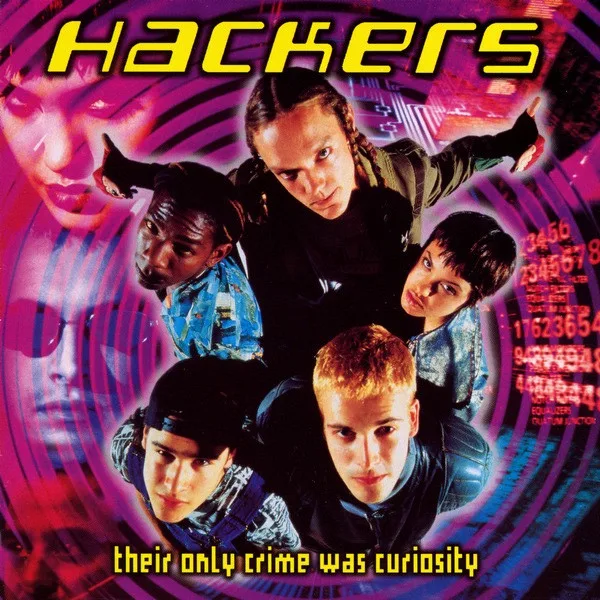
  2. Hackers (1996)

    Various Artists

    It became a favorite with techno fans: an electronic mixtape released at the height of grunge, with Orbital’s “Halcyon + On + On” and The Prodigy’s “Voodoo People” as its signature tracks.

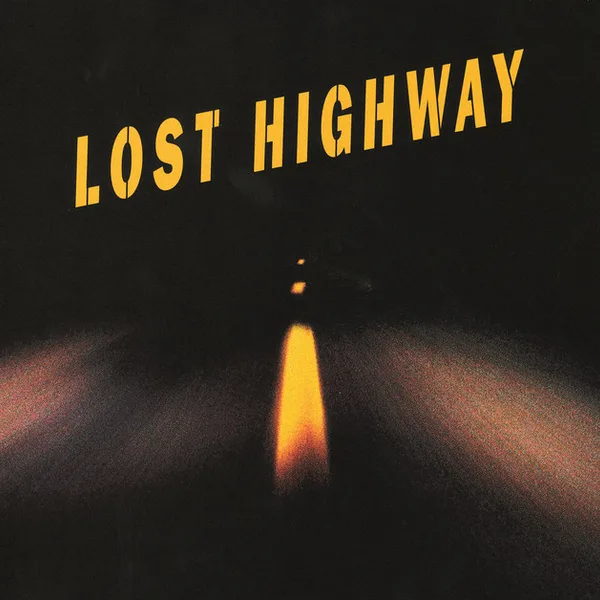
  3. Lost Highway (1997)

    Various Artists

    It was produced by Nine Inch Nails’ Trent Reznor, includes the NIN single “The Perfect Drug,” and begins and ends with David Bowie’s “I’m Deranged,” which also opens and closes the film.

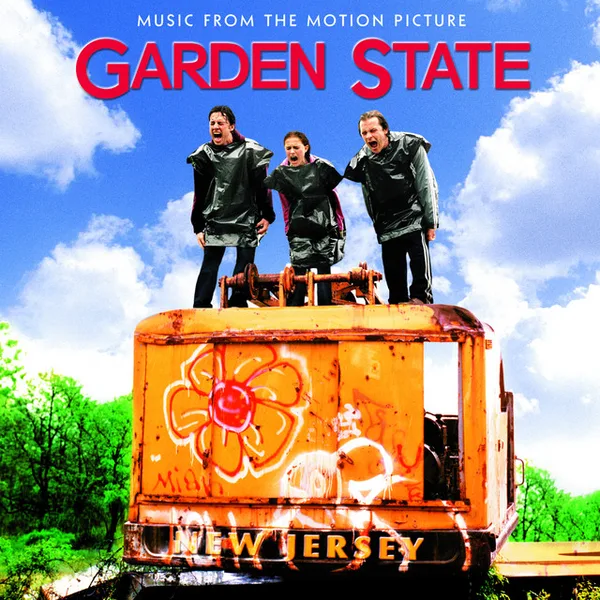
  4. Garden State (2004)

    Various Artists

    Natalie Portman’s character hands Braff her headphones and says “You gotta hear this one song — it’ll change your life; I swear,” and the song is The Shins’ “New Slang.”

No. 1

The Crow: Original Motion Picture Soundtrack (1994)

Various Artists

The companion album to Alex Proyas’s gothic revenge film gathered 14 tracks from the alternative, industrial and metal bands of the moment: The Cure, Nine Inch Nails, Stone Temple Pilots, Rage Against the Machine, Pantera and more. Instead of recycling radio hits, it was built from new songs, re-recordings and covers made for the film, and it became a gloomy snapshot of early-’90s alternative music, dedicated to the memory of Brandon Lee.

The famous part

It went to No. 1 on the Billboard 200 and sold millions, carried by The Cure’s “Burn,” which plays as the reborn Eric Draven paints his face, and by Nine Inch Nails’ cover of Joy Division’s “Dead Souls.”

Behind the scenes

Making of

Nothing you could buy anywhere else

Producer Jeff Most wanted every song to be original to the film, something fans couldn’t find on another record. The script went out to bands, and the ones who connected with it sent in exclusive tracks. That’s why so much of the album is new songs, re-recordings (Rage Against the Machine’s “Darkness,” Helmet’s “Milktoast”) and covers rather than catalog hits.

Accident

Stone Temple Pilots changed songs after the shooting

Brandon Lee was killed by a prop-gun bullet on the set in Wilmington, North Carolina, on March 31, 1993, days before filming wrapped. Stone Temple Pilots had planned to re-record “Only Dying,” an early demo, but after Lee’s death “Big Empty” went on the album instead. “Only Dying” stayed unreleased until 2017.

Legend

The comic’s favorite bands came full circle

James O’Barr was a devoted fan of The Cure and Joy Division and put them all through the original comic: a full page of lyrics from The Cure’s “The Hanging Garden,” chapters named after Joy Division songs. On the soundtrack, The Cure (who had first offered “The Hanging Garden”) wrote “Burn” for the film, and Nine Inch Nails covered Joy Division’s “Dead Souls.” The two songs play back to back in the film.

Trivia

  • Medicine re-recorded their song “Time Baby II” as “Time Baby III” with Cocteau Twins singer Elizabeth Fraser on guest vocals, though the film uses the original version.
  • My Life with the Thrill Kill Kult and Medicine both appear onstage in the film’s nightclub scenes.
  • Rollins Band’s “Ghostrider” covers Suicide’s song about the Marvel antihero Ghost Rider, and Pantera’s “The Badge” covers the hardcore band Poison Idea.
  • Jane Siberry co-wrote the closing “It Can’t Rain All the Time” with the film’s composer, Graeme Revell, and an orchestral version recurs through his score.
  • According to Peter Hook, New Order were approached to contribute “Love Will Tear Us Apart.” It never happened, but the band approved Nine Inch Nails’ Joy Division cover.

Legacy

The album reached No. 1 on the Billboard 200 on the chart dated June 4, 1994, selling 125,000 copies that week, and was certified 3× Platinum in the US, with about 3.8 million copies sold there. It also went Top 10 in Australia, Austria and Germany and went Gold in the UK. AllMusic gave it 4.5 out of 5, and Albumism included it in its 100 Greatest Soundtracks of All Time series in 2020. Each of The Crow’s sequels later got its own soundtrack album.

No. 2

Hackers: Original Motion Picture Soundtrack (1996)

Various Artists

Iain Softley’s 1995 cyber-thriller pictured the internet as the next rock ’n’ roll and scored it with British club music instead of the grunge Hollywood expected. The first soundtrack album collected that sound (Orbital, Underworld, The Prodigy, Leftfield with John Lydon, Kruder & Dorfmeister) and played for many American listeners as a first introduction to techno and big beat.

The famous part

It became a favorite with techno fans: an electronic mixtape released at the height of grunge, with Orbital’s “Halcyon + On + On” and The Prodigy’s “Voodoo People” as its signature tracks.

Behind the scenes

Making of

“Nobody in America listens to techno”

Softley deliberately built the film around a futuristic club-culture sound, but labels expecting grunge passed on a US soundtrack deal. As he remembers it, they told him “nobody in America listens to techno.” He went ahead anyway, and Orbital’s “Halcyon + On + On” ended up setting the rhythm of the film’s famous shot of the city grid turning into a circuit board.

Release

An album that left songs on the cutting-room floor

The first album came out on the independent Edel label months after the film’s September 1995 opening, on a tight schedule and without a major label behind it. Several songs from the film didn’t make the record, including Massive Attack’s “Protection” and Guy Pratt’s “Grand Central Station” with David Gilmour. They were finally released on Varèse Sarabande’s 2020 25th-anniversary edition, which was also the soundtrack’s first vinyl release.

Legend

The sequel that never was

Edel followed the album with Hackers 2 in 1997 and a third volume in 1999, mixing more music from the film with tracks “inspired by” it from Moby, BT, Chicane and others. A third volume four years after the film was almost unheard of, and the numbered titles convinced fans that a movie sequel was in the works. None ever came.

Trivia

  • Carl Cox’s “Phoebus Apollo” is on the album but isn’t in the film.
  • The Prodigy’s “Voodoo People” plays in the film more than any other song.
  • Orbital’s “Halcyon + On + On” samples Opus III’s “It’s a Fine Day,” and Stereo MC’s “Connected” samples Jimmy “Bo” Horne’s “Let Me (Be Your Lover).”
  • Softley and his team coined the word “cyberdelic” and named the film’s nightclub Cyberdelia after it.
  • Gala Wright started as Softley’s assistant and became the film’s music coordinator and creative consultant.

Legacy

The album is remembered as the record that introduced many listeners to then-rising acts like The Prodigy, Orbital and Underworld, and OC Weekly called it a “certified smash with techno fans.” Its staying power kept the brand going for two sequel albums to a film that never had a sequel. For the 25th anniversary in 2020, Varèse Sarabande issued an expanded 2-CD set and a Record Store Day double LP with unreleased Simon Boswell score cues and new liner notes from Softley.

No. 3

Lost Highway (1997)

Various Artists

Trent Reznor produced the album for David Lynch’s noir nightmare, combining Angelo Badalamenti’s and Barry Adamson’s score cues with songs from Nine Inch Nails, David Bowie, Marilyn Manson, The Smashing Pumpkins, Lou Reed and Rammstein. Reznor sequenced its 23 tracks roughly in film order, and the result plays like one dark, continuous drive.

The famous part

It was produced by Nine Inch Nails’ Trent Reznor, includes the NIN single “The Perfect Drug,” and begins and ends with David Bowie’s “I’m Deranged,” which also opens and closes the film.

Behind the scenes

Making of

Lynch recruits Reznor

A mutual friend suggested Reznor, whose only previous soundtrack had been Natural Born Killers. Lynch wanted big-name artists who inspired him and would also sell records. Reznor wrote score pieces from patterns Lynch drew, wrote “The Perfect Drug” for the film, and with Charlie Clouser assembled everything into one continuous album. He wanted it to work for Lynch fans who hated pop and for the teenager buying it for the new NIN song.

Feud

Coil didn’t make the cut

Reznor pushed for music by Coil, but Lynch rejected it. Coil’s John Balance complained in a 1997 interview that Lynch wanted big names and didn’t care about integrity. Reznor later said he “wasn’t at 100 percent” during the project, and he dismissed “The Perfect Drug” as “not my favorite piece.”

Legend

Lynch finds Rammstein

Lynch heard Rammstein’s debut album Herzeleid while scouting locations and put two of its songs, “Rammstein” and “Heirate Mich,” in the film and on the album. Billboard credited his support with driving the German band’s US breakthrough. Henry Rollins remembered Lynch blasting the band on set, and Anthrax’s Scott Ian said Lost Highway was his first exposure to them.

Trivia

  • Billy Corgan wrote “Eye” after Lynch couldn’t get the rights to a Pixies song. He reworked a track first recorded for Shaquille O’Neal, and Lynch had already turned down his first attempt, “Tear.”
  • Barry Adamson got the job after Lynch heard his album Moss Side Story and called him up.
  • This Mortal Coil’s “Song to the Siren” is a key piece of music in the film but isn’t on the album.
  • Mark Romanek directed the Edward Gorey-inspired video for “The Perfect Drug,” and Nine Inch Nails didn’t play the song live until September 2018 at Red Rocks.
  • Marilyn Manson contributed an original song, “Apple of Sodom,” and a cover of Screamin’ Jay Hawkins’ “I Put a Spell on You.” He also has a cameo in the film.

Legacy

The soundtrack reached No. 7 on the Billboard 200, went Gold in the US and Platinum in Canada, and outsold the film, which had a mixed reception and a short first run. The A.V. Club later wrote that it put Lynch “onto America’s car stereos.” Critics disagreed: Entertainment Weekly gave it an A, while Pitchfork gave it 5.2. It has been reissued on vinyl by Music On Vinyl in 2016 and Waxwork for the 25th anniversary, and it was an early step toward Reznor’s later film-scoring career.

No. 4

Garden State: Music from the Motion Picture (2004)

Various Artists

Zach Braff’s debut film came with a soundtrack he had essentially written into the script: a personal mix of The Shins, Coldplay, Iron & Wine, Frou Frou, Zero 7, Nick Drake and Simon & Garfunkel. Released on a shoestring licensing budget, the 13-track album went platinum and won a Grammy without a single, and it became a touchstone for indie-leaning movie soundtracks.

The famous part

Natalie Portman’s character hands Braff her headphones and says “You gotta hear this one song — it’ll change your life; I swear,” and the song is The Shins’ “New Slang.”

Behind the scenes

Making of

The mix CD in the script

Braff sent producer Dan Halsted the screenplay along with a CD of music cues, which Halsted says was “pretty much the final soundtrack.” Braff believed tone was the hardest thing to get across in a script and used the songs to do it. In his words, he made “a mix CD with all of the music that I felt was scoring my life.”

Making of

Coldplay at indie prices

Early on, Braff was told the film couldn’t afford Coldplay, Simon & Garfunkel or Nick Drake. Following advice to be upfront about what the film could afford, he wrote directly to the artists about his tiny budget and sent the soundtrack mix with each licensing request. Halsted says the film paid about $2,500 to $5,000 per song, when a typical soundtrack song then cost $25,000 to $50,000.

Legend

“It’ll change your life”

“New Slang” came from The Shins’ 2001 debut, Oh, Inverted World, and the scene where Sam hands Andrew her headphones turned it into an anthem. James Mercer later said of the placement, “It changed my life.” He said the soundtrack’s sales gave the band a financial boost, but he also took some backlash for licensing the song.

Trivia

  • Iron & Wine’s “Such Great Heights” is a cover of The Postal Service song, and the film’s trailer used The Postal Service’s original.
  • Alexi Murdoch’s “Orange Sky” is in the film but was left off the album because it had already been used on The O.C.
  • Braff’s college friend Cary Brothers, who sings “Blue Eyes,” introduced him to Coldplay’s “Don’t Panic,” the album’s opening track.
  • Bonnie Somerville, who co-wrote and sang the closing “Winding Road,” was dating Braff at the time.
  • Radiohead’s “Sulk” was considered, and Fiona Apple’s “Paper Bag” couldn’t be licensed. Braff later used it in The Last Kiss.

Legacy

The album went platinum with more than 1.3 million copies sold, reached No. 20 on the Billboard 200, and won Braff the 2005 Grammy for Best Compilation Soundtrack Album, beating Kill Bill: Vol. 2. It boosted the careers of The Shins, Iron & Wine, Frou Frou, Zero 7 and Colin Hay, and helped bring new listeners to Nick Drake. It shaped indie-leaning soundtracks like Elizabethtown and The Perks of Being a Wallflower and drew a backlash against “montage rock.” Saturday Night Live parodied it as a “Pitchfork mix CD,” and its artists were booked to reunite for a one-night benefit performance of the album at Los Angeles’ Greek Theatre in March 2025.

Top 4 Movie Scores

The scores I can hear the movie in, with my eyes closed.

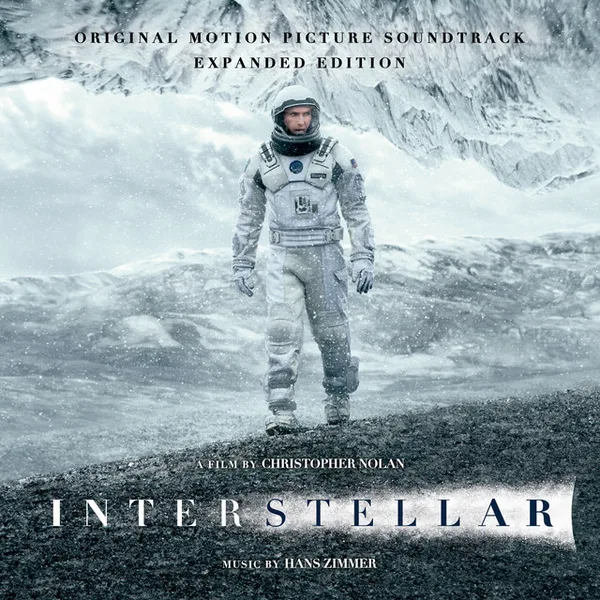
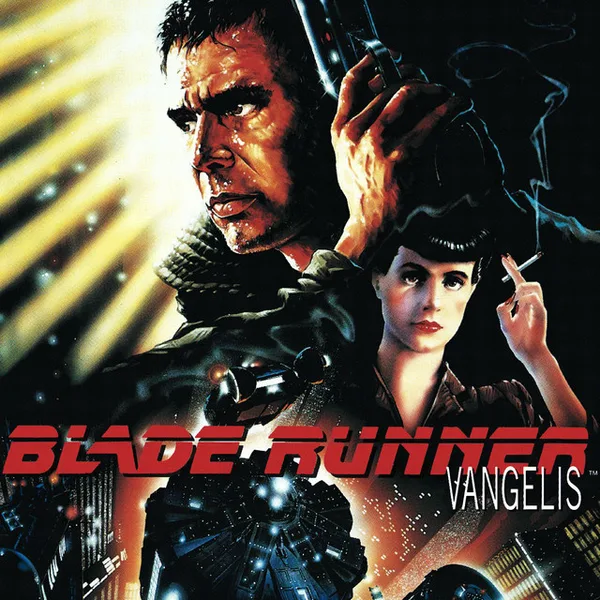
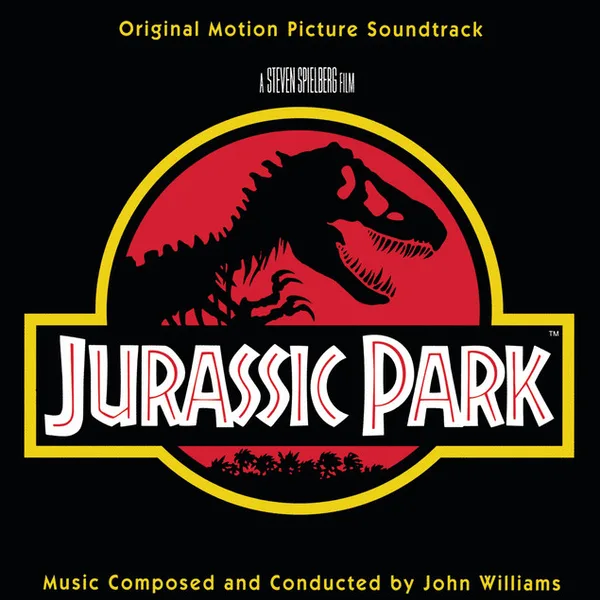
Top 4 Movie Scores, laid out like Mount Rushmore: Inception: Music from the Motion Picture in Washington's spot, Interstellar: Original Motion Picture Soundtrack in Jefferson's spot, Blade Runner: Music from the Original Soundtrack in Roosevelt's spot, Jurassic Park: Original Motion Picture Soundtrack in Lincoln's spot.
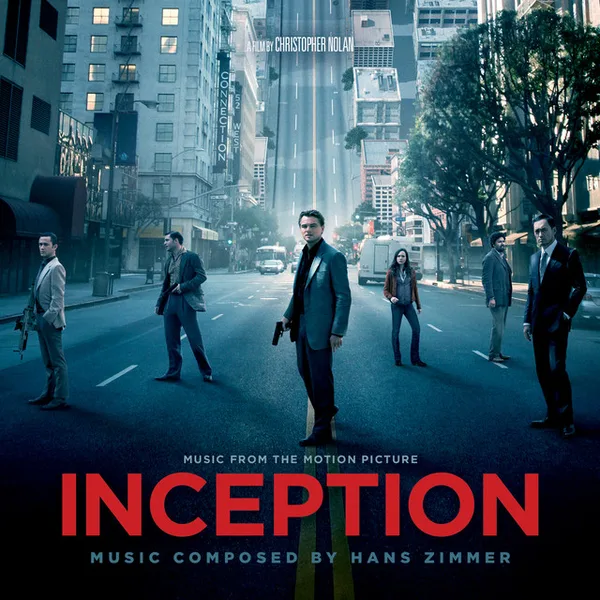
  1. Inception (2010)

    Hans Zimmer

    The score’s huge, foghorn-like brass blasts are built from a slowed-down fragment of Édith Piaf’s “Non, je ne regrette rien,” the same song that plays in the film to time the dreamers’ “kick.”

  2. Interstellar (2014)

    Hans Zimmer

    The score’s signature sound is a real pipe organ, the 1926 four-manual Harrison & Harrison instrument at London’s Temple Church, played by the church’s music director, Roger Sayer.

  3. Blade Runner (1994)

    Vangelis

    Vangelis’s own recording of the score went unreleased for twelve years: the film’s end credits promised a soundtrack album that never came, so fans lived on bootlegs and a 1982 orchestral cover album until the official CD finally appeared in 1994.

  4. Jurassic Park (1993)

    John Williams

    The “Theme from Jurassic Park,” first heard when the visitors lay eyes on the Brachiosaurus, was written to capture what Williams called the “awesome beauty and sublimity of the dinosaurs” and is widely regarded as one of his greatest themes.

No. 1

Inception: Music from the Motion Picture (2010)

Hans Zimmer

Hans Zimmer’s third score for Christopher Nolan, written while Nolan was still shooting the film, is what Zimmer called “a very electronic score”: synth pulses and processed sound design fused with a London orchestra, a wall of low brass, and Johnny Marr’s guitar. Much of its DNA comes from one old record, Édith Piaf’s “Non, je ne regrette rien,” the song the dreamers use as their wake-up signal. Its bellowing brass chords went on to reshape the sound of the blockbuster trailer for a decade.

The famous part

The score’s huge, foghorn-like brass blasts are built from a slowed-down fragment of Édith Piaf’s “Non, je ne regrette rien,” the same song that plays in the film to time the dreamers’ “kick.”

Behind the scenes

Making of

A whole score from one Piaf record

Nolan wrote Piaf’s “Non, je ne regrette rien” into the script as the dreamers’ timing cue, and almost cut it after casting Marion Cotillard, who had just won an Oscar playing Piaf. Zimmer talked him into keeping it and then mined the song for the score: its slowed-down opening became the brass motif, and the album credits interpolations of the recording in “Half Remembered Dream” and “Waiting for a Train.”

Casting

Channeling Johnny Marr, then hiring him

While writing, Zimmer found he had a synth part that sounded like the guitar playing of the Smiths’ Johnny Marr, with a hint of Ennio Morricone. Nolan agreed to bring Marr in, and Marr spent four 12-hour days playing Zimmer’s written lines on a 12-string guitar, the melancholy thread running through cues like “Time.”

Legend

The BRAAAM nobody can agree on

Zimmer has said the famous horn sound came from brass players blowing into the resonance of a piano set in a church with a book holding down its pedal, plus “a bit of electronic nonsense.” Trailer composer Mike Zarin has disputed Zimmer’s credit for the sound, and the trailer music by Zack Hemsey isn’t on the album at all. However it started, the “Inception horn” became a cliché of 2010s trailers, and Zimmer later complained it had become the blueprint for all action movies.

Trivia

  • Zimmer read Douglas Hofstadter’s Gödel, Escher, Bach for inspiration because it joined playfulness in mathematics and in music.
  • Zimmer never built a temp score; Nolan’s team would occasionally call asking for “a little something” for a scene.
  • Christopher Nolan is credited as a producer of the album and wrote its liner notes.
  • Two bonus tracks, “Projections” and “Don’t Think About Elephants,” were given away as free downloads from the film’s score website instead of appearing on the CD.
  • Fans often point out that the film’s 148-minute running time, 2:28, matches the commonly cited length of the Piaf recording; there is no confirmation it was deliberate.

Legacy

The score earned Zimmer nominations for the Oscar (losing to Trent Reznor and Atticus Ross’s The Social Network), the Golden Globe, the BAFTA and the Grammy, and won the Saturn Award for Best Music and the World Soundtrack Award for Original Score of the Year. Critics split on it, with Movie Wave calling it Zimmer’s finest work in years while Filmtracks gave it two stars, but its influence is hard to miss: the brass-heavy “braam” sound was imitated in blockbuster trailers for years afterward. The album was certified Silver in the UK in 2024.

No. 2

Interstellar: Original Motion Picture Soundtrack (2014)

Hans Zimmer

For Christopher Nolan’s space epic, Hans Zimmer set aside the brass and percussion of his action scores and built the music around a 1926 pipe organ in London’s Temple Church, with strings, woodwinds, four pianos and a 60-voice choir. It began as a tiny piano-and-organ piece about a father leaving his child, written before Zimmer even knew the film was set in space. Zimmer has called it the best work of his career.

The famous part

The score’s signature sound is a real pipe organ, the 1926 four-manual Harrison & Harrison instrument at London’s Temple Church, played by the church’s music director, Roger Sayer.

Behind the scenes

Making of

One page, one day

Before Zimmer knew anything about the plot, Nolan handed him a one-page fable about a father leaving his child for an important job, containing just two lines of dialogue: “I’ll come back” and “When?” Zimmer was asked to work for one day, and overnight he wrote a four-minute piece for piano and organ about fatherhood. Zimmer worried it was far too small for an epic space film, but Nolan told him it was “the heart” of the movie, and it plays at the film’s conclusion.

Making of

The organ that looked like afterburners

Zimmer had already mocked up the score with digital sounds when he decided, late in the game, to record a real organ and choir instead. His team found Temple Church and its music director Roger Sayer, who has said he was simply in the right place at the right time; the sessions were an experiment of trial and error, and Zimmer preferred the sounds Sayer suggested to his samples. Zimmer said the organ’s pipes reminded him of spaceship afterburners, and its airy tone of how precious every breath is to an astronaut.

Controversy

Too loud on purpose

Nolan mixed Interstellar to push the low end hard, and deliberately let music and noise swamp some dialogue. Enough audiences complained that some theaters posted notices explaining the effect was intentional and not a fault in their equipment, with the booming organ a big part of what people were hearing.

Trivia

  • Zimmer conducted 45 scoring sessions for Interstellar, three times as many as for Inception.
  • Zimmer held the album back until about two weeks after the film opened because he wanted audiences to hear the music first on big theater speakers, not on laptop speakers.
  • The ticking in “Mountains” is widely reported to mark the passing of a day on Earth for every tick heard on Miller’s planet.
  • The original 16-track album left out the docking cue “No Time for Caution,” which first appeared as a deluxe-edition bonus; the 2020 expanded edition is now the version on major streaming services.
  • “Cornfield Chase” has been certified Gold as a single in both the US and the UK.

Legacy

Interstellar drew some of the warmest reviews of Zimmer’s career, with The Telegraph hearing an homage to Philip Glass’s Koyaanisqatsi in its hypnotic, surging organ writing, and it was nominated for the Oscar (losing to Alexandre Desplat’s The Grand Budapest Hotel), the Golden Globe, the BAFTA and the Grammy. The album reached No. 20 on the Billboard 200 and No. 4 on Billboard’s soundtrack chart, and later went Gold in the UK. It has had a long life in concert halls, with Roger Sayer performing it live with Zimmer and later touring his own organ arrangements, and Zimmer named it his best work in 2022.

No. 3

Blade Runner: Music from the Original Soundtrack (1994)

Vangelis

Fresh off his Oscar for Chariots of Fire, Vangelis scored Ridley Scott’s 1982 neo-noir almost entirely on synthesizers, improvising to the picture in his London studio. The result fuses the smoky jazz of classic film noir with Middle Eastern color and vast, rain-soaked synth washes, led by the Yamaha CS-80. The official album only arrived in 1994, twelve years after the film, and Pitchfork has since named it the greatest film score ever made.

The famous part

Vangelis’s own recording of the score went unreleased for twelve years: the film’s end credits promised a soundtrack album that never came, so fans lived on bootlegs and a 1982 orchestral cover album until the official CD finally appeared in 1994.

Behind the scenes

Making of

Improvised to the picture

Vangelis wrote the score at Nemo Studios, his London workspace, by watching videotapes of scenes and improvising music in sync with the images. The Yamaha CS-80 carries the opening, backed by Roland synths, a Prophet-10, a Yamaha GS1, an E-mu Emulator sampler and a modified Fender Rhodes, along with real gongs, tubular bells and gamelan. He even used the synths like a Foley artist, producing sounds within the film’s world as well as its score.

Release

The twelve-year wait and the stand-in album

Despite an end-credits promise of a soundtrack on Polydor, Vangelis’s recordings stayed in the vault, delayed by a dispute that accounts variously pin on the director or the studio. In its place came a 1982 album by the New American Orchestra, billed as an “orchestral adaptation” of Vangelis’s music: jazzy, orchestrated re-recordings of the main themes that bore little resemblance to the original, later disowned by both Vangelis and Scott. Vangelis finally compiled his own album in 1994, writing in its liner notes that he had found himself unable to release the recordings at the time.

Legend

A score kept alive by bootlegs

A tape of the score, suspected to have come from a sound engineer during the film’s mixing, surfaced at science-fiction conventions in 1982 and circulated widely. In 1993 a bootleg CD from “Off World Music” appeared in 2,000 numbered copies and turned out to be more complete than Vangelis’s official release the following year. Even the official album left out film cues and added pieces never used in the film, which kept the bootleg trade going for decades.

Trivia

  • “Memories of Green” was not written for the film; it comes from Vangelis’s 1980 album See You Later, and Scott later used an orchestral version in Someone to Watch Over Me.
  • Four tracks on the 1994 album, including “Main Titles” and “Tears in Rain,” carry snippets of dialogue from the film.
  • The crooner number “One More Kiss, Dear,” sung by Don Percival, replaced the Ink Spots’ “If I Didn’t Care,” which had been used in the workprint.
  • In 2021, Computer Music magazine named the “Main Titles” the greatest synth sound of all time.
  • For Blade Runner 2049, Hans Zimmer and Benjamin Wallfisch used a Yamaha CS-80 to stay true to Vangelis’s sound and remade “Tears in Rain.”

Legacy

Though the score lost out at the 1983 BAFTAs and Golden Globes, it became a foundational text of electronic music, and when it finally came out the album reached No. 20 in the UK and later went Gold there. In 2019 Pitchfork named it the best film score of all time, noting the oddity that Vangelis won the Oscar for Chariots of Fire but went unrecognized for Blade Runner, and The Guardian and Future Music have ranked it among the greatest soundtracks. A three-disc 25th-anniversary set in 2007 added more of the film’s music, and its sound shaped the sequel, Blade Runner 2049.

No. 4

Jurassic Park: Original Motion Picture Soundtrack (1993)

John Williams

John Williams wrote Jurassic Park for Steven Spielberg in a matter of weeks in early 1993, aiming for the awe a child feels standing under a dinosaur skeleton in a museum. The score sets a hymn-like theme for the gentle giants and a brassy adventure fanfare against a four-note raptor motif, for a full orchestra with choir, two harps, baritone horns and synthesizers. Its main theme is one of the most recognizable melodies Williams ever wrote.

The famous part

The “Theme from Jurassic Park,” first heard when the visitors lay eyes on the Brachiosaurus, was written to capture what Williams called the “awesome beauty and sublimity of the dinosaurs” and is widely regarded as one of his greatest themes.

Behind the scenes

Making of

Scored while Spielberg was in Poland

For the first time, Spielberg couldn’t attend the recording sessions for one of his own films, because he was in Poland shooting Schindler’s List. Before he left, Williams gave him demo tapes of piano versions of the main themes, and Spielberg listened to them every day on the drive to set.

Accident

A bad back and an uncredited conductor

Williams started writing at the end of February 1993 and was conducting a month later, but he hurt his back during the scoring sessions. Artie Kane stepped in to conduct several cues; he isn’t credited in the film, but he received special thanks on the 1993 album.

Making of

Symphonic cartooning next to the roars

Williams composed at Skywalker Ranch while Gary Rydstrom was building the dinosaur sounds, and he drew on that work, describing the result as “a massive job of symphonic cartooning” as he tried to match the animals’ movements. The raptor motif borrowed from his own suspense writing, like the Jaws shark theme. Spielberg made a late change too: the T. rex’s climactic entrance was meant to get the menacing motif, but he swapped in the heroic adventure theme instead.

Trivia

  • The T. rex’s escape from its paddock plays with no music at all, to heighten the tension.
  • The orchestra calls for unusual woodwinds including a shakuhachi and an E-flat piccolo oboe, and several celesta solos are actually played on synthesizer.
  • The album’s “End Credits” track is an excerpt of “Welcome to Jurassic Park,” which is the film’s actual end-credits music.
  • For the 20th anniversary in 2013, Geffen reissued the album digitally with four bonus tracks hand-picked by Williams.
  • Jurassic Park’s score wasn’t nominated for the Oscar, but Williams won Best Original Score that same year for Schindler’s List.

Legacy

The album reached No. 28 on the Billboard 200 and was certified Gold in the US in 1994, and the score is often counted among the most iconic and beloved of Williams’s career. Film-music critics at Filmtracks and Movie Wave both rate it five stars, even though some contemporary reviews were cool. Fuller versions of the score followed in a limited 2016 La-La Land Records collection and a 2022 expanded edition.

Top 4 TV Dramas

Every season, start to finish, again and again.

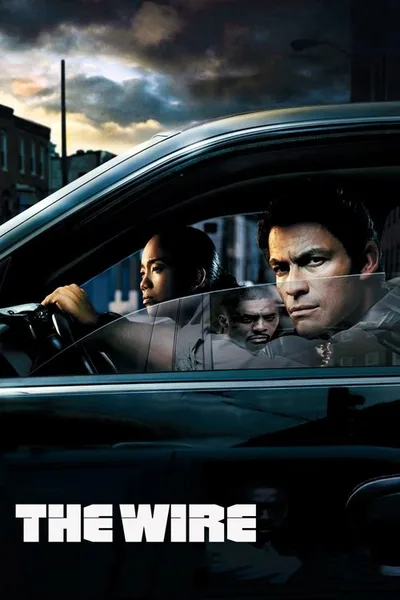
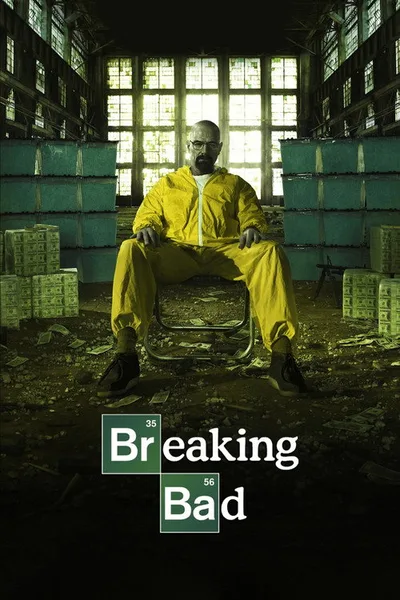
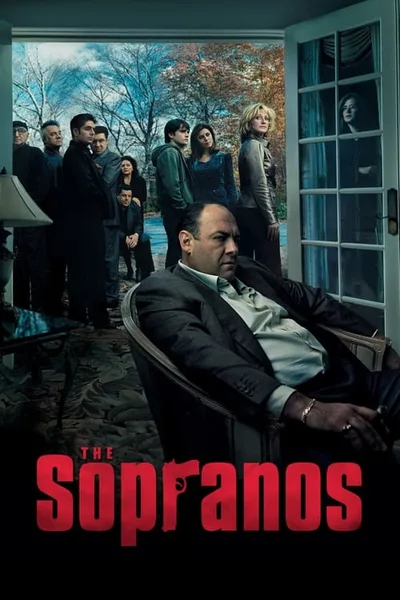
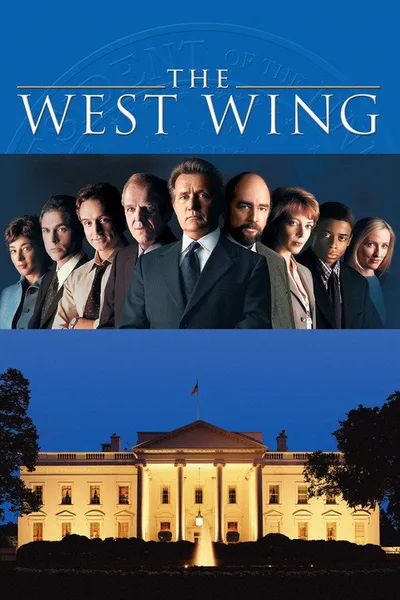
Top 4 TV Dramas, laid out like Mount Rushmore: The Wire in Washington's spot, Breaking Bad in Jefferson's spot, The Sopranos in Roosevelt's spot, The West Wing in Lincoln's spot.
  1. The Wire (2002)

    David Simon

    For all its acclaim, The Wire never won a single Primetime Emmy: it got just two writing nominations across five seasons.

  2. Breaking Bad (2008)

    Vince Gilligan

    Vince Gilligan’s pitch for Walter White was to turn him from Mr. Chips into Scarface over the course of the series.

  3. The Sopranos (1999)

    David Chase

    It is the show most often credited with starting prestige TV. As Vince Gilligan put it in 2013, “Without Tony Soprano, there would be no Walter White.”

  4. The West Wing (1999)

    Aaron Sorkin

    It made the “walk and talk” famous: long, unbroken Steadicam shots of staffers trading lines as they stride through the White House halls, a device director Thomas Schlamme championed.

No. 1

The Wire (2002)

Created by David Simon

Created by former Baltimore Sun police reporter David Simon with his writing partner Ed Burns, an ex-homicide detective, The Wire starts as a wiretap case against a West Baltimore drug crew and then widens, season by season, to take in the port, City Hall, the schools and the newspaper. Its novelistic structure and largely unknown cast drew only modest ratings on HBO, but it is now widely considered one of the greatest television series ever made.

The famous part

For all its acclaim, The Wire never won a single Primetime Emmy: it got just two writing nominations across five seasons.

Behind the scenes

Making of

A cop show HBO wasn’t sure about

Simon had clashed with NBC executives over the pessimism of Homicide: Life on the Street, the series based on his book, so he took The Wire to HBO, where he had just made the miniseries The Corner. HBO doubted a police drama belonged in its lineup but agreed to make a pilot. Simon also went to Baltimore’s mayor and told him the show would paint parts of the city bleakly. He was welcomed back to film there anyway.

Casting

Snoop came from a night out

Michael K. Williams landed Omar Little after a single audition. In Baltimore he met Felicia Pearson, who had recently finished a prison sentence (accounts place the meeting at a bar or the nightclub Club One), and he recommended her to the producers. Simon and Burns cast her as the enforcer Snoop.

Legend

Built from the real city

Simon has said most of the characters are composites of real Baltimore figures: Omar drew mainly on the stick-up man Donnie Andrews, and Bubbles partly on a police informant known as “Possum.” “Little Melvin” Williams, a drug lord taken down by an investigation Burns had worked on, later joined the cast in a recurring role as a church deacon.

Trivia

  • Dominic West won the role of McNulty with a tape he recorded the night before the audition deadline, playing a scene by himself.
  • Tom Waits’s “Way Down in the Hole” opens every season in a different recording; the season four version was sung by five Baltimore teenagers.
  • Apart from the end-of-season montages, almost all of the show’s music comes from sources inside the scene, such as car radios and jukeboxes.
  • Simon had the show framed in 4:3 to keep budgets down and make it look like television rather than a movie; HBO remastered it in widescreen HD in 2014.
  • Jón Gnarr, the comedian who became mayor of Reykjavík, said he wouldn’t form a coalition with anyone who hadn’t watched The Wire.

Legacy

The Wire drew average ratings and almost no awards on its first run. Its one major prize was a 2003 Peabody, which praised its “complex fictional world comparable to those found in the best novels.” Its standing has only grown since: Rolling Stone ranked it No. 2 of all time in 2016, The Guardian put it at No. 2 of the 21st century, and a 2021 BBC poll of TV experts named it the greatest TV series of the century. Harvard, Johns Hopkins and Brown have all taught courses on it, and Barack Obama has called it his favorite show.

No. 2

Breaking Bad (2008)

Created by Vince Gilligan

Walter White (Bryan Cranston), an overqualified high school chemistry teacher in Albuquerque, learns he has stage-three lung cancer and starts cooking methamphetamine with his former student Jesse Pinkman (Aaron Paul) to secure his family’s future. Created by X-Files writer Vince Gilligan, it was built on an idea TV rarely tried: letting its protagonist slowly become the antagonist.

The famous part

Vince Gilligan’s pitch for Walter White was to turn him from Mr. Chips into Scarface over the course of the series.

Behind the scenes

Making of

A joke about a meth lab in an RV

The idea came out of a joke between Gilligan and fellow X-Files writer Thomas Schnauz about how to fix their unemployment: put a meth lab in the back of an RV and drive around the country. Showtime passed because it already had Weeds, HBO and TNT passed, and FX chose another drama instead. AMC, looking for shows to sit alongside Mad Men, picked it up.

Casting

Hal from Malcolm in the Middle

AMC knew Bryan Cranston as the goofy dad on Malcolm in the Middle and was reluctant to cast him; it reportedly approached John Cusack and Matthew Broderick first. Gilligan had cast Cranston years earlier in his X-Files episode “Drive,” and showing executives that performance won them over. Cranston gained 10 pounds for the role and helped design a mustache he likened to a “dead caterpillar.”

Accident

The strike that changed the plan

AMC ordered nine first-season episodes, but the 2007–08 Writers Guild strike cut the season to seven. Gilligan had considered ending the original season by killing off Jesse or Hank, but that moment was dropped with the shorter order, and he was already sold on Aaron Paul by the second episode. Writer Peter Gould later said the strike “saved the show.”

Trivia

  • Early drafts were set in Riverside, California; the story moved to Albuquerque after Sony steered the production to New Mexico for its financial incentives.
  • The blue meth prop for the first two seasons came from Debbie Ball of The Candy Lady, an Albuquerque candy shop; her first version was clear.
  • University of Oklahoma organic chemist Donna Nelson offered her help after watching the show, then checked scripts and wrote chemical equations used as props.
  • AMC premiered the pilot after an NFL championship game, but the game ran long and the pilot drew only about 1.4 million viewers.
  • In 2015 Gilligan publicly asked fans to stop throwing pizzas onto the roof of the house used as the Whites’ home, after complaints from its owner.

Legacy

Viewership was modest for three seasons, then surged after the earlier seasons arrived on Netflix ahead of season four. At the 2013 Emmys Gilligan thanked Netflix for keeping the show on the air, and the finale drew more than 10.3 million viewers. The show won 16 Primetime Emmys, including two for Outstanding Drama Series and four Lead Actor wins for Cranston, and Guinness World Records named it the highest-rated TV series in its 2014 edition, based on season five’s Metacritic score of 99. Rolling Stone ranked it No. 3 of all time in 2016 and 2022, and it spawned the prequel Better Call Saul and the sequel film El Camino.

No. 3

The Sopranos (1999)

Created by David Chase

Tony Soprano (James Gandolfini), a New Jersey mob boss, starts having panic attacks and reluctantly begins seeing a psychiatrist, Dr. Jennifer Melfi (Lorraine Bracco), while trying to balance his family at home with the one he runs. David Chase drew on his own Italian-American New Jersey upbringing and his own therapy, and the result is widely credited with launching television’s Second Golden Age.

The famous part

It is the show most often credited with starting prestige TV. As Vince Gilligan put it in 2013, “Without Tony Soprano, there would be no Walter White.”

Behind the scenes

Making of

A movie about a mobster and his mother

Chase first imagined it as a feature film about “a mobster in therapy having problems with his mother,” and his manager Lloyd Braun pushed him toward TV. Fox passed after reading the pilot script, and CBS asked whether Tony really had to see a psychiatrist. HBO’s Chris Albrecht paid for a pilot in 1997 and then shelved it for months; Chase considered asking for money to shoot 45 more minutes and release it as a movie, until HBO ordered the series that December.

Casting

The rock guitarist who almost played Tony

Chase was taken with E Street Band guitarist Steven Van Zandt after watching him induct the Rascals into the Rock and Roll Hall of Fame in 1997, and invited him to audition for Tony even though he had never acted. HBO wanted an experienced actor in the lead, so Chase wrote a new part for him: consigliere Silvio Dante. Van Zandt’s real-life wife, Maureen, was cast as Silvio’s wife, Gabriella.

Legend

The mob was watching

According to FBI agents, real mobsters caught on wiretaps talked about the show, and some were convinced someone on the inside was feeding the writers information. Chase had in fact drawn on real New Jersey crime families, including the Boiardos and the DeCavalcantes, and on interviews with a restaurateur said to have mob ties.

Trivia

  • The show was named after some of Chase’s high school friends.
  • For the first three seasons, the World Trade Center towers appeared in Tony’s side-view mirror in the opening credits; the shot was replaced after September 11.
  • The Bada Bing! was a real strip club, Satin Dolls on Route 17 in Lodi, New Jersey, which stayed open for business during the eight years of filming.
  • In 2001 the American Psychoanalytic Association gave Lorraine Bracco an award for creating “the most credible psychoanalyst ever to appear in the cinema or on television.”
  • After his own pay dispute with HBO, James Gandolfini reportedly split a bonus among the regular cast, giving each of them $33,333.

Legacy

The Sopranos was nominated for Outstanding Drama Series every year it was eligible, and in 2004 it became the first cable series to win; it won again in 2007. It took 21 Emmys in all, plus back-to-back Peabodys in 1999 and 2000, and its success made HBO the place for ambitious television. In 2013 the Writers Guild of America named it the best-written TV series of all time, and Rolling Stone ranked it the greatest TV show ever in both 2016 and 2022. Mad Men creator Matthew Weiner and Boardwalk Empire creator Terence Winter both wrote for it.

No. 4

The West Wing (1999)

Created by Aaron Sorkin

Aaron Sorkin’s NBC drama follows the senior staff of fictional Democratic president Josiah Bartlet (Martin Sheen) as they work through crises, legislative fights and speechwriting inside the White House’s West Wing. Sorkin wrote or co-wrote 85 of the first 88 episodes, and his rapid-fire dialogue made governing play almost like screwball comedy.

The famous part

It made the “walk and talk” famous: long, unbroken Steadicam shots of staffers trading lines as they stride through the White House halls, a device director Thomas Schlamme championed.

Behind the scenes

Making of

Leftovers from The American President

The show grew out of Sorkin’s 1995 film The American President, in which Martin Sheen played the White House chief of staff. Unused plot elements from that screenplay and a suggestion from Akiva Goldsman led Sorkin to the series. Sorkin said its debut was pushed back about a year because of the Clinton–Lewinsky scandal.

Casting

The president was meant to be a guest

Sorkin planned to center the show on the staff, with the president unseen or in a secondary role, and Martin Sheen was not originally cast as a regular. After NBC executives saw the pilot they wanted more of Bartlet, so Sheen’s role grew; in return he agreed not to play a president on any other show while The West Wing was on the air. Alan Alda and Sidney Poitier had been considered for the part.

Feud

Sorkin’s exit

Sorkin wrote nearly every episode himself, and his schedule often led to cost overruns and late scripts. In May 2003, amid reported tension over budgets, delays and ratings, Sorkin and director Thomas Schlamme left after season four. Executive producer John Wells took over as showrunner and had to pick up from the cliffhanger Sorkin had written.

Trivia

  • The show’s “Big Block of Cheese Day,” named for a cheese Andrew Jackson put out for the public, inspired a real virtual Big Block of Cheese Day at the Obama White House in 2014, promoted by the cast.
  • In 2011 The New York Times reported that Myanmar’s new government was using West Wing DVDs to study democracy.
  • The cold open of the season four Christmas episode “Holy Night” is almost entirely in Yiddish.
  • In 2016 Allison Janney took the podium at a real White House press briefing as C.J. Cregg to call attention to substance abuse.
  • Lin-Manuel Miranda has cited The West Wing as a major influence on Hamilton.

Legacy

The West Wing won nine Emmys for its first season, a record for a debut season, and then won Outstanding Drama Series four years running, 2000 to 2003, beating The Sopranos three times. Its 26 Emmys tied Hill Street Blues for the most by a drama until Game of Thrones passed it in 2016, and it also won two Peabodys. Ratings slipped after Sorkin left, but the show’s reputation outlasted its run: political scientists have written about it as a teaching tool, former White House staffers praised its feel, and the cast was invited to the White House for its 25th anniversary in 2024.

Top 4 TV Comedies

The ones I can quote from memory, and do, constantly.

Top 4 TV Comedies, laid out like Mount Rushmore: Seinfeld in Washington's spot, That ’70s Show in Jefferson's spot, M*A*S*H in Roosevelt's spot, Curb Your Enthusiasm in Lincoln's spot.
  1. Seinfeld (1989)

    Larry David and Jerry Seinfeld
    It’s known as “the show about nothing” — though Seinfeld has said the real 1988 pitch to NBC was to show how a comedian gets his material, and that the “about nothing” line started as a joke inside the show years later.

  2. That ’70s Show (1998)

    Bonnie Turner, Terry Turner and Mark Brazill
    “The Circle”: the kids sit around in a haze of smoke while the camera pans from face to face — and in eight seasons the audience never actually sees anyone smoke, and the word “marijuana” is almost never said.

  3. M*A*S*H (1972)

    Larry Gelbart

    Its 2½-hour finale, “Goodbye, Farewell and Amen,” drew about 106 million viewers and 60.2% of U.S. TV households in 1983 — the most-watched broadcast in U.S. history until Super Bowl XLIV in 2010, and still the most-watched series finale ever.

  4. Curb Your Enthusiasm (2000)

    Larry David

    There’s no script: David writes an outline of each episode’s plot and subplots, and the cast improvises the dialogue on camera — a method known as retroscripting.

No. 1

Seinfeld (1989)

Created by Larry David and Jerry Seinfeld

Jerry Seinfeld plays a fictionalized version of himself, a stand-up comic on Manhattan’s Upper West Side, killing time with his best friend George, his ex-girlfriend Elaine and his neighbor Kramer while they obsess over the tiny etiquette of daily life. Its “no hugging, no learning” rule — characters who never grow, never learn and never get sentimental — broke with sitcom convention and made it one of the most influential American comedies ever made.

The famous part

It’s known as “the show about nothing” — though Seinfeld has said the real 1988 pitch to NBC was to show how a comedian gets his material, and that the “about nothing” line started as a joke inside the show years later.

Behind the scenes

Making of

“Too New York, too Jewish”

The 1989 pilot, “The Seinfeld Chronicles,” fell flat with NBC executives; Brandon Tartikoff called it “too New York, too Jewish.” An NBC research memo summed up its test-audience performance as “weak,” which executive Warren Littlefield called “a dagger to the heart.” When Seinfeld and David finally saw the memo years later, they hung it in a bathroom on the set.

Making of

Paid for with a Bob Hope special

NBC left the show off its 1989–90 schedule, but late-night and specials chief Rick Ludwin canceled a planned Bob Hope special and used the money to order four more episodes. Those four made up the rest of the first season — said to be the smallest sitcom order in TV history — and the show was renamed simply Seinfeld. It took another three years to become a Top 5 hit.

Release

Walking away from $110 million

With the show at its peak, GE chairman Jack Welch privately wrote an offer on a slip of paper: $5 million an episode, up from the $1 million Seinfeld was earning, or about $110 million for a 22-episode tenth season. Seinfeld turned it down to end the show on top, and NBC announced on December 25, 1997, that the ninth season would be the last.

Trivia

  • Composer Jonathan Wolff built the theme from sampled slap bass, finger snaps and mouth noises, and re-cut it for every episode to fit the rhythm of Seinfeld’s stand-up.
  • Kramer was based on Larry David’s real-life Manhattan neighbor, Kenny Kramer.
  • Festivus came from writer Dan O’Keefe’s father, who had celebrated his own made-up holiday at home; the aluminum pole was the show’s addition.
  • More than 120 episodes reference Superman, and Superman figurines and logos keep turning up in Jerry’s apartment.
  • The exterior used for Jerry’s New York apartment building is actually in Los Angeles, at 757 South New Hampshire Avenue.

Legacy

Seinfeld won the Emmy for Outstanding Comedy Series in 1993, the Golden Globe for Best Comedy Series, a Peabody and three Screen Actors Guild ensemble awards, and it finished first or second in the Nielsen ratings every year from 1994 to 1998. Its finale drew an estimated 76.3 million viewers. TV Guide named it the greatest TV show of all time in 2002, and Rolling Stone ranked it sixth in 2022. Off the air it became a syndication juggernaut, earning an estimated $4 billion by 2017, and its catchphrases — “yada, yada, yada,” “no soup for you,” “regift” — passed straight into everyday speech.

No. 2

That ’70s Show (1998)

Created by Bonnie Turner, Terry Turner and Mark Brazill

Six teenage friends kill time in Eric Forman’s basement in Point Place, Wisconsin, between 1976 and 1979, under the glare of his gruff Navy-veteran father Red and the nervous cheer of his mother Kitty. Built on the Happy Days trick of looking back two decades, the Fox sitcom mixed disco, Star Wars and the ’70s recession with generation-gap comedy, and launched the careers of Topher Grace, Mila Kunis and Ashton Kutcher.

The famous part

“The Circle”: the kids sit around in a haze of smoke while the camera pans from face to face — and in eight seasons the audience never actually sees anyone smoke, and the word “marijuana” is almost never said.

Behind the scenes

Casting

Found in a high school play

Topher Grace had no professional acting experience when the Turners spotted him starring in his high school’s production of A Funny Thing Happened on the Way to the Forum. Accounts differ on why they were in the audience — a child of their own in the cast, or friends who worked on the show — but they asked him to audition, and he became Eric Forman, the show’s lead and straight man.

Casting

“Oh, P.S. I’m 14”

Mila Kunis was 14 when she auditioned for Jackie and told the producers she’d be 18 — which she later called “not technically a lie.” The truth came out when she had to sign her contract and marked that she’d need a studio teacher. By then, she recalled, the creators loved her and didn’t care.

Making of

Not “Teenage Wasteland”

The show was originally called Teenage Wasteland, but Pete Townshend wouldn’t let the “Baba O’Riley” lyric be used, and The Kids Are Alright was refused too. It was pitched to advertisers as Feelin’ All Right before Bonnie Turner suggested simply That ’70s Show, figuring that’s what audiences would call it anyway.

Trivia

  • The theme, “That ’70s Song,” is Big Star’s “In the Street” by Alex Chilton and Chris Bell; Todd Griffin sang it in season one and Cheap Trick from season two on.
  • Ashton Kutcher was a model who had never acted; he won Kelso by playing him as naive rather than dumb.
  • The smoke in the Circle scenes was strawberry-scented.
  • From season five on, episodes are named after songs by one band per season: Led Zeppelin, The Who, The Rolling Stones and Queen.
  • Wilmer Valderrama bought the Formans’ Vista Cruiser from Carsey-Werner when the show ended, for “no more than” $500.

Legacy

Its eight seasons and 200 episodes made it Fox’s second-longest-running live-action sitcom after Married… with Children, even without that show’s ratings. It drew 16 Primetime Emmy nominations, winning one for Melina Root’s costumes in “That Disco Episode,” and a long run of Teen Choice Awards. It was remade almost line for line in Britain as Days Like These (1999), spun off the short-lived That ’80s Show, and returned on Netflix as That ’90s Show (2023–2024), with Kurtwood Smith and Debra Jo Rupp back as Red and Kitty. In 2009 MSN Autos named its Vista Cruiser the third-greatest TV car ever.

No. 3

M*A*S*H (1972)

Created by Larry Gelbart

Larry Gelbart’s adaptation of the 1970 film follows the surgeons and staff of the 4077th Mobile Army Surgical Hospital during the Korean War, led by Alan Alda’s wisecracking Hawkeye Pierce. Premiering while the Vietnam War was still going, it used an earlier war as cover to question America’s role in the Cold War, and across 11 seasons it moved from service comedy toward something closer to drama.

The famous part

Its 2½-hour finale, “Goodbye, Farewell and Amen,” drew about 106 million viewers and 60.2% of U.S. TV households in 1983 — the most-watched broadcast in U.S. history until Super Bowl XLIV in 2010, and still the most-watched series finale ever.

Behind the scenes

Making of

“Who are these laughing people?”

Gelbart and producer Gene Reynolds wanted no laugh track at all, arguing that a show supposedly filmed in Korea had no audience to laugh. CBS refused, and the compromise was that laughter could be left out of operating-room scenes. Gelbart even got CBS to test the show with and without the laughs; there was no measurable difference, so the network kept them.

Legend

The parka punishment

Writer Ken Levine has said that when the cast sent back too many nitpicking script notes, he and his partner would rewrite the episode as a “cold show” set in the Korean winter. The actors then spent the day in heavy parkas around barrel fires at the Malibu ranch set, where summer temperatures neared 100°F. He says it only took a couple of times.

Legend

The flush that never happened

A story still circulates that so many New Yorkers waited for the finale to end before using the bathroom that the city’s water system recorded its biggest surge ever. Newspaper interviews with sanitation workers even made it into Alan Alda’s book about the last days of the show. The tale has since been traced to an urban legend that goes back to Amos ’n’ Andy on radio in the 1930s.

Trivia

  • Gary Burghoff was the only actor from the 1970 film to carry his role — Radar O’Reilly — into the series as a regular.
  • Characters introduced in the seventh season were named after members of the 1978 Los Angeles Dodgers, because the writers were running out of names.
  • The Korean War lasted 1,128 days, but the show ran 11 seasons and 256 episodes, nearly four times as long.
  • The theme is an instrumental of the film’s “Suicide Is Painless,” whose lyrics Robert Altman’s 14-year-old son Mike wrote; Altman said Mike earned more than a million dollars in royalties, against his own $70,000 directing fee.
  • A 1983 Smithsonian exhibit of the show’s sets and props drew more than 17,000 visitors in a single week, a record for any Smithsonian display.

Legacy

M*A*S*H nearly got canceled in its first season, then moved behind All in the Family in season two, entered the top 10, and stayed in the top 20 for the rest of its run. It won 14 Emmys from more than 100 nominations, a Peabody “for the depth of its humor,” and Alan Alda took six Golden Globes for playing Hawkeye. In 2013 the Writers Guild of America ranked it the fifth-best-written TV series ever and TV Guide ranked it the eighth-greatest show of all time; Variety put it at No. 24 in 2023.

No. 4

Curb Your Enthusiasm (2000)

Created by Larry David

Larry David plays a fictionalized version of himself — the rich, semi-retired co-creator of Seinfeld, living in Los Angeles — whose inability to let any slight or social misstep go unremarked drags him into one escalating misunderstanding after another. Shot in a loose, documentary-like style with largely improvised dialogue, HBO’s series ran for 12 seasons over 24 years and became one of the defining comedies of the century.

The famous part

There’s no script: David writes an outline of each episode’s plot and subplots, and the cast improvises the dialogue on camera — a method known as retroscripting.

Behind the scenes

Making of

A one-off that wouldn’t end

The show began as Larry David: Curb Your Enthusiasm, a 1999 hour-long HBO special shot as a mockumentary, which David and HBO saw as a one-time project. The series kept its cinéma vérité look when it launched in 2000. David has explained the title as a jab at people who project false enthusiasm, and as a way to lower expectations after Seinfeld.

Legend

The episode that cleared a murder suspect

In 2003 Juan Catalan was jailed for a Los Angeles murder he said happened while he was at a Dodgers game with his daughter. His lawyer learned HBO had been filming a season four Curb episode at the stadium that night, and the unused footage showed Catalan and his daughter walking back to their seats as Larry David came up the aisle. The charges were dismissed, and the story became the 2017 Netflix documentary Long Shot.

Making of

The Seinfeld reunion, finally

Season seven (2009) built a season-long arc around Larry trying to stage a Seinfeld reunion, with Jerry Seinfeld, Julia Louis-Dreyfus, Jason Alexander and Michael Richards playing versions of themselves. The show-within-the-show was scripted and directed by Seinfeld regular Andy Ackerman — the first time the four had appeared together in a scripted show since Seinfeld ended.

Trivia

  • The bouncy theme is “Frolic,” written by Italian composer Luciano Michelini for the 1974 film La bellissima estate; David picked it after hearing it in a California bank ad, and it isn’t listed in the credits.
  • The closing credits — and executive producer Robert B. Weide’s name — became an internet meme for punctuating any awkward or disastrous moment.
  • Jeff Garlin has said he doesn’t empathize with Jeff Greene at all, calling him a “pretty evil guy” with “no morals, no scruples.”
  • After season eight in 2011 the show went on a six-year hiatus before returning in 2017.
  • When the show reached basic cable on TV Guide Network in 2010, Susie Essman hosted a companion series, Curb Your Enthusiasm: The Discussion, that debated the moral questions in each episode.

Legacy

Curb outgrew its early cult status to become one of HBO’s signature comedies, earning 55 Primetime Emmy nominations — including Outstanding Comedy Series for 11 of its 12 seasons — and winning the Golden Globe for Best Comedy Series at the January 2003 ceremony. Critics singled out its improvised writing and its Jewish, schlemiel-rooted humor. The Writers Guild of America ranked it No. 30 among the 101 best-written TV series in 2013, the Guardian named it the 13th-greatest show of the 21st century in 2019, and Rolling Stone placed it at No. 39 among the greatest shows of all time in 2022.